
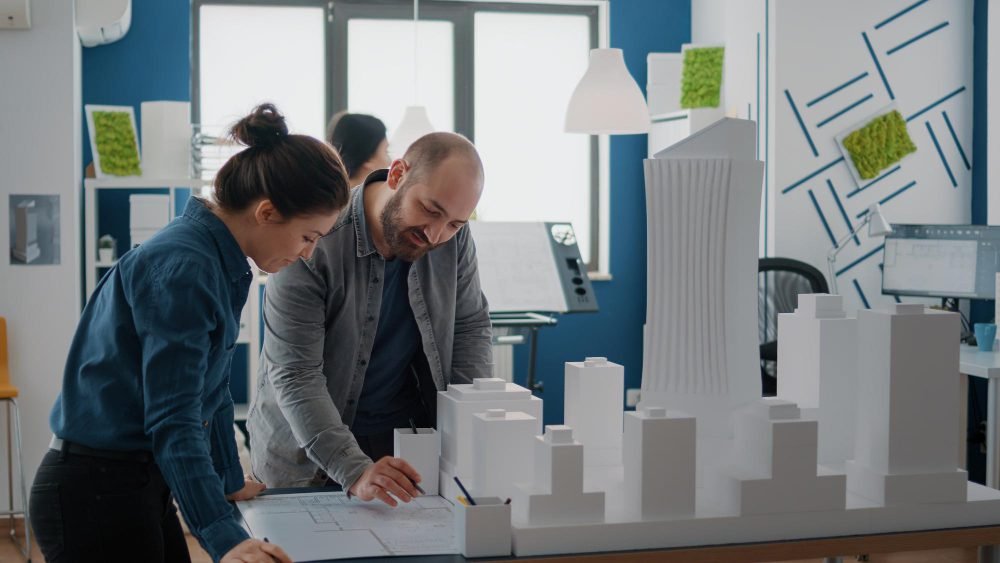
When I first got involved in construction-related projects, I didn’t realize how much design planning improves building efficiency until I saw the difference between a well-planned project and a rushed one. If you’re dealing with delays, rising costs, or poor building performance, the quickest solution is simple: invest more time in proper design planning before construction even begins.
From my experience, skipping this phase doesn’t save time—it actually creates bigger problems later. Let me walk you through how this works in real-world situations.
Why Design Planning Matters More Than You Think
In many projects, people jump straight into construction thinking they’ll “figure things out along the way.” I’ve seen this approach fail repeatedly.
Design planning acts as the foundation of the entire building process, and when done correctly, it aligns everything—from materials to labor to energy use.
What stood out to me was how a clear design strategy reduces confusion during execution. Contractors know exactly what to do, materials are calculated correctly, and timelines become realistic instead of hopeful guesses.
My Experience With Poor Planning vs Smart Planning
I once worked on two different projects at the same time. One had detailed design planning, while the other was rushed.
The difference was obvious.
The well-planned project had:
- Better workflow coordination
- Minimal material waste
- Faster completion time
Meanwhile, the poorly planned project struggled with:
- Constant design changes
- Budget overruns
- Delays due to miscommunication
That’s when I realized how powerful design planning improves building efficiency in practical terms, not just in theory.
Reducing Construction Costs Through Planning
One of the biggest benefits I noticed was cost control.
When you have a solid plan, you avoid unnecessary expenses. For example, accurate material estimation prevents over-ordering or shortages, both of which can be expensive.
Also, labor efficiency increases when workers follow a structured plan, reducing idle time and mistakes.
From my perspective, spending more on planning actually saves much more during construction.
Better Use of Space and Layout
Another area where planning makes a huge impact is space utilization.
I’ve seen buildings where poor layout decisions led to wasted space or awkward room placements. On the other hand, a well-thought-out design maximizes every square foot effectively.
This becomes even more important in residential and commercial properties where space efficiency directly affects usability and value.
Improving Energy Efficiency
One of the most impressive outcomes of proper planning is energy performance.
When designers focus on orientation, insulation, ventilation, and natural lighting, buildings become more energy-efficient without requiring expensive upgrades later.
In my experience, design planning improves building efficiency by reducing long-term energy consumption, which means lower utility bills and a smaller environmental impact.
Minimizing Errors and Rework
Mistakes during construction are costly. I’ve seen projects where walls had to be rebuilt or plumbing had to be redone—all because of poor planning.
With detailed design planning, potential issues are identified before construction starts, which significantly reduces rework.
This not only saves money but also keeps the project timeline intact.
Enhancing Communication Among Teams
Construction projects involve multiple teams—architects, engineers, contractors, and clients.
Without a clear plan, communication becomes messy. But when there’s a detailed design in place, everyone works from the same blueprint, which improves coordination.
From what I’ve observed, clear planning eliminates confusion and reduces conflicts between teams, making the entire process smoother.
Supporting Long-Term Building Performance
Efficiency doesn’t stop when construction ends.
A well-planned building performs better over time. Whether it’s structural durability, energy savings, or maintenance requirements, everything improves with proper planning.
I’ve personally seen buildings that required fewer repairs simply because the design phase was handled correctly.
Increasing Property Value
This is something many people overlook.
A building designed with efficiency in mind tends to have higher market value. Buyers and investors are more interested in properties that offer:
- Lower operating costs
- Better layout
- Energy efficiency
So in a way, design planning improves building efficiency and also boosts financial returns.
Adapting to Future Needs
One thing I’ve learned is that buildings should not only meet current needs but also adapt to future changes.
Smart design planning includes flexibility for future modifications, whether it’s expanding space or upgrading systems.
This forward-thinking approach ensures that the building remains useful and efficient for years to come.
Real Insight From Practical Experience
If I had to summarize my experience, I’d say this:
Projects that invest in strong design planning always perform better, no matter the size or budget.
It’s not just about drawings or layouts—it’s about creating a roadmap that guides every step of the construction process.
Final Thoughts
Looking back at the projects I’ve been involved in, the biggest lesson is clear: design planning improves building efficiency in every possible way—from cost savings to performance to long-term value.
If you’re planning a construction project, don’t rush this phase. Take the time to plan properly, and you’ll avoid most of the common problems people face later.
AI Disclaimer: This content was created with the assistance of AI and refined with human insight to ensure clarity, accuracy, and a natural, experience-based tone.