
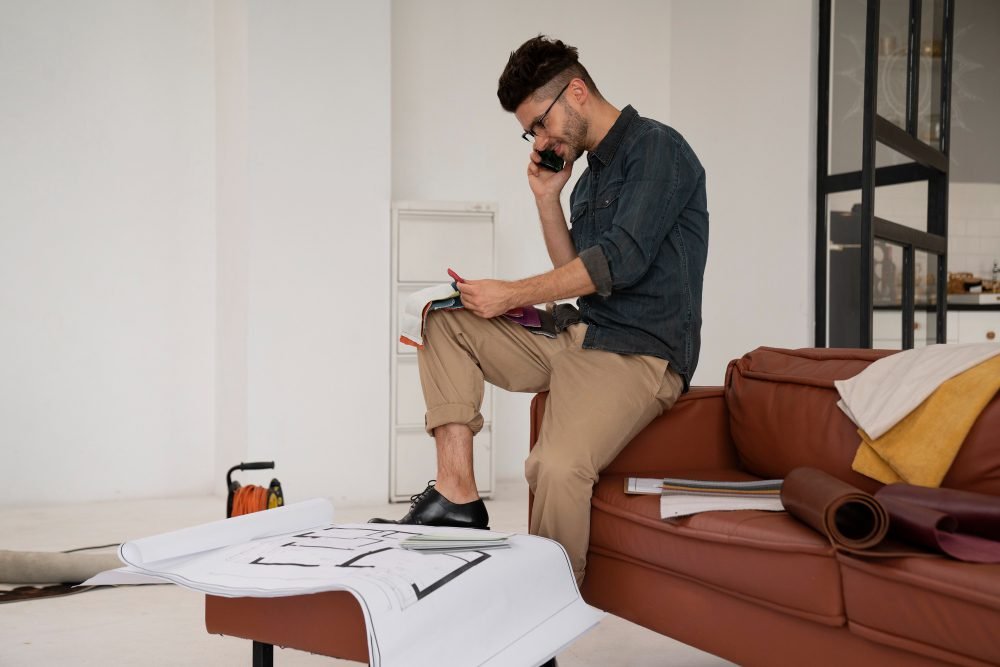
When I first started working on my home, I thought buying stylish furniture and placing it randomly would be enough. But soon I realized that interior decoration mistakes that affect space planning can make even the most beautiful house feel cramped and uncomfortable. The quick fix? Focus on layout first, decor later. Once I corrected a few key mistakes, my space instantly felt bigger, more functional, and easier to live in.
Ignoring the Importance of Layout Before Decorating
One of the biggest mistakes I made early on was jumping straight into decor without thinking about the layout. I bought a beautiful sofa, a trendy coffee table, and some random chairs, but when everything arrived, nothing fit properly.
The truth is, space planning should always come before decoration. If your layout is wrong, no amount of styling can fix it. I learned this the hard way when my living room looked cluttered despite having expensive furniture.
Now, I always start with measuring the room and visualizing how people will move around. Proper furniture placement ensures there’s enough walking space and everything feels balanced.
Using Oversized Furniture in Small Spaces
This mistake is more common than you might think. I once bought a large sectional sofa thinking it would make my living room look luxurious. Instead, it completely overwhelmed the space.
Oversized furniture in small rooms blocks movement and makes the area feel tight. Even if the piece looks amazing in a showroom, it may not work in your home.
A better approach is choosing scaled furniture that matches the room size. After replacing my bulky sofa with a more compact one, the entire room felt open and breathable.
Poor Traffic Flow Planning
I didn’t realize how important movement paths were until guests started awkwardly squeezing through my living room. That’s when it hit me — I had ignored traffic flow in space planning.
Every room needs clear pathways. If people have to move around obstacles, the design fails no matter how good it looks.
Now, I always leave at least 2 to 3 feet of walking space between furniture pieces. This simple adjustment made my home feel more comfortable and functional.
Pushing All Furniture Against the Walls
At first, I thought placing all furniture against the walls would make the room look bigger. Surprisingly, it did the opposite.
Wall-hugging furniture layouts often create an empty, awkward center space. It makes the room feel disconnected and less inviting.
When I started pulling furniture slightly inward and creating conversation zones, everything changed. The room felt warmer, more organized, and visually balanced.
Ignoring Multi-Functional Furniture
I used to fill my rooms with single-purpose items. A table for this, a cabinet for that — before I knew it, my space was overcrowded.
The smarter approach is using multi-functional furniture for space efficiency. Think storage beds, foldable tables, or ottomans with hidden compartments.
Once I switched to these, I noticed a big difference. My home felt less cluttered while still serving all my needs.
Poor Lighting Choices That Affect Space Perception
Lighting is something I completely underestimated. I relied on one ceiling light, and the room always felt dull and smaller than it actually was.
Lighting plays a major role in space planning. Bad lighting creates shadows and makes rooms feel tight.
Now I use layered lighting techniques — a mix of ambient, task, and accent lighting. This not only improved visibility but also made my rooms appear larger and more inviting.
Ignoring Vertical Space
Another mistake I made was focusing only on the floor area. I didn’t use walls effectively, which limited my storage and design options.
Vertical space utilization is a game-changer, especially in smaller homes. Shelves, wall-mounted cabinets, and tall decor elements can free up floor space.
After adding vertical storage, my rooms instantly felt more organized and spacious.
Overcrowding with Too Many Decor Items
At one point, I believed more decor meant better design. I filled every corner with items, thinking it would make my home look stylish.
In reality, overdecorating reduces available space and creates visual clutter. It becomes overwhelming rather than appealing.
Now I follow a simple rule — less is more in space planning. I only keep items that add value or meaning to the room.
Wrong Rug Size Affecting Room Balance
This is a mistake many people overlook. I once used a small rug in my living room, and it made everything look disconnected.
Incorrect rug sizing can break the visual flow of a room. A rug that’s too small makes furniture look scattered.
Switching to a properly sized rug that fits under key furniture pieces helped create a cohesive and well-defined space.
Neglecting Storage Planning
Clutter was a constant problem in my home until I realized I had ignored storage in space planning.
Without proper storage, things pile up quickly, making even large rooms feel small.
Adding built-in storage solutions and hidden compartments helped me keep everything organized. It made a noticeable difference in how spacious my home felt.
Choosing Style Over Functionality
I used to prioritize looks over usability. A chair might look amazing, but if it’s uncomfortable or placed poorly, it becomes useless.
Functional design should always come before aesthetics. A well-planned space should support daily activities without any inconvenience.
Now I balance both by selecting pieces that are both stylish and practical.
Ignoring Room Purpose During Decoration
Another mistake I made was decorating rooms without considering their purpose. For example, I treated my living room like a showroom instead of a functional space.
Each room should be designed based on how it will be used. Purpose-driven space planning ensures the layout supports real-life activities.
Once I started designing with purpose in mind, everything felt more natural and comfortable.
Blocking Natural Light
I once placed heavy furniture near windows, unknowingly blocking sunlight. This made my room feel darker and smaller.
Natural light enhances space perception. Blocking it reduces the openness of a room.
Rearranging furniture to allow sunlight in made my space feel bigger and more lively instantly.
Not Creating Zones in Open Spaces
Open-plan spaces can be tricky. I initially treated my entire area as one big room, which made it feel chaotic.
Zoning is essential for open layouts. Using rugs, furniture placement, or lighting helps define different areas.
After creating separate zones for dining, relaxing, and working, my space felt much more organized.
Ignoring Scale and Proportion
I didn’t pay attention to how different elements related to each other in size. This caused imbalance in my rooms.
Proper scale and proportion in design ensure everything works together harmoniously.
Now I always check how furniture pieces relate to each other before placing them.
Final Thoughts
Fixing interior decoration mistakes that affect space planning completely changed how my home feels. It’s no longer just about how things look — it’s about how they work together.
Interestingly, while working on layout improvements, I realized how unrelated concepts like what is a great room in a house can actually influence open space thinking, and even topics like home bar dimensions or how to soundproof a home office connect back to planning. It all comes down to designing spaces that balance comfort, function, and flow.
AI Disclaimer: This content was created with the assistance of artificial intelligence and is based on general interior design experiences and knowledge. While every effort has been made to ensure accuracy and practicality, readers are encouraged to consult professional interior designers for personalized advice tailored to their specific space and needs.