
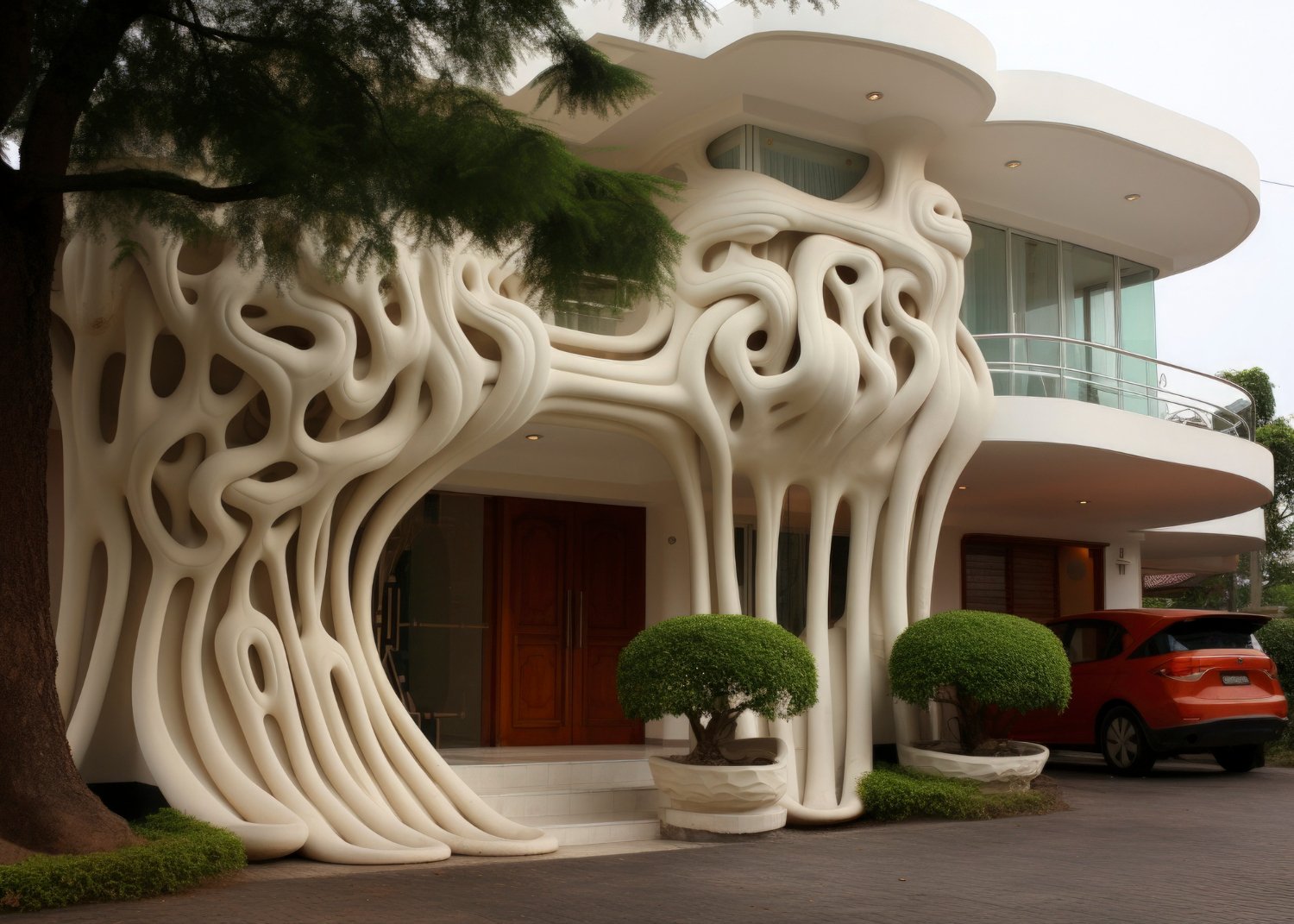
Architecture does more than shape buildings. It influences how people live, work, interact, and experience their surroundings. Every structure tells a story through its materials, layout, proportions, and visual character. Over time, architectural design has evolved dramatically, giving rise to two dominant approaches that continue to influence residential and commercial construction today: traditional architecture and modern architecture.
While traditional design reflects historical influences, craftsmanship, and cultural heritage, modern architecture embraces simplicity, innovation, and functionality. Both styles offer unique advantages, and understanding their differences can help homeowners, investors, designers, and developers make informed decisions when planning a project.
This guide explores the defining characteristics, benefits, challenges, and practical applications of traditional and modern architectural design styles.
Traditional Architectural Design
Traditional architecture refers to design approaches inspired by historical periods, regional influences, and time-tested construction methods. These buildings often showcase decorative details, symmetry, and materials that have been used for generations.
Traditional homes frequently draw inspiration from architectural movements such as Colonial, Victorian, Tudor, Mediterranean, Craftsman, and Georgian styles.
The goal of traditional architecture is not simply to create shelter. It seeks to preserve cultural identity, craftsmanship, and visual richness.
Key Characteristics of Traditional Architecture
Traditional buildings often share several recognizable features:
- Symmetrical layouts
- Decorative moldings and trim
- Pitched roofs
- Natural building materials
- Detailed craftsmanship
- Formal room arrangements
- Classic color palettes
- Ornamental windows and doors
These elements work together to create a sense of permanence, familiarity, and elegance.
Advantages of Traditional Design
Timeless Appeal
One of the biggest strengths of traditional architecture is its enduring aesthetic value. Traditional homes rarely feel outdated because they are rooted in historical design principles that have remained attractive for centuries.
Strong Sense of Character
Traditional structures often possess a unique identity. Detailed woodwork, stone facades, custom millwork, and handcrafted finishes contribute to a rich visual experience.
Cultural Connection
Many traditional buildings reflect regional history and local craftsmanship. This creates a stronger connection between the structure and its environment.
Market Stability
In many established neighborhoods, traditional homes maintain strong resale value because buyers appreciate their classic appearance and familiar layouts.
Challenges of Traditional Design
Despite its advantages, traditional architecture presents certain challenges.
Decorative details and custom craftsmanship can significantly increase construction costs. Maintenance requirements may also be higher, particularly for older materials such as wood siding, stonework, and ornate trim.
Traditional floor plans may feel less flexible for modern lifestyles, especially when compared to open-concept contemporary homes.
Understanding Modern Architectural Design
Modern architecture emerged during the early twentieth century as architects began challenging conventional building methods and decorative traditions.
The modern movement emphasized functionality, efficiency, simplicity, and innovation. Rather than focusing on ornamentation, modern architects sought to create spaces that responded directly to human needs.
Today, modern design continues to evolve through advances in technology, sustainability, and material science.
Key Characteristics of Modern Architecture
Modern buildings are often recognized by the following features:
- Clean geometric lines
- Minimal ornamentation
- Open floor plans
- Large windows
- Flat or low-pitched roofs
- Neutral color schemes
- Integration with natural surroundings
- Use of steel, concrete, and glass
Modern architecture prioritizes function and simplicity while creating visually striking environments.
Advantages of Modern Design
Enhanced Functionality
Modern architecture focuses on how people actually use spaces. Open layouts improve circulation, flexibility, and usability.
Natural Light
Large windows and glass walls allow sunlight to penetrate deep into interior spaces. This creates brighter environments and reduces dependence on artificial lighting.
Energy Efficiency
Many modern buildings incorporate sustainable materials, smart technologies, energy-efficient systems, and environmentally conscious design strategies.
Lower Visual Clutter
Minimalist design principles reduce unnecessary decorative elements, resulting in clean, organized, and calming spaces.
Challenges of Modern Design
Modern architecture may not appeal to everyone. Some people find minimalist environments too sterile or lacking in warmth.
Extensive use of glass can create privacy concerns and may increase cooling requirements in warmer climates if not designed properly.
Certain modern materials and technologies may also require specialized installation and maintenance.
Traditional vs Modern Architecture: A Direct Comparison
Understanding the differences between these two styles becomes easier when comparing their core principles.
Visual Appearance
Traditional architecture emphasizes decorative details, textures, and historical references. Modern architecture focuses on simplicity, clean lines, and visual restraint.
Traditional buildings often appear warm and familiar. Modern structures tend to look sleek, innovative, and forward-thinking.
Building Materials
Traditional homes commonly use:
- Brick
- Stone
- Wood
- Clay tiles
Modern architecture frequently incorporates:
- Glass
- Steel
- Concrete
- Engineered materials
Each material palette contributes significantly to the overall identity of the design.
Floor Plans
Traditional layouts often feature separate rooms with defined purposes.
Modern architecture favors open-concept spaces that encourage flexibility and social interaction.
This distinction has become particularly important as homeowners increasingly seek adaptable living environments.
Relationship with Nature
Traditional architecture often frames nature through windows and outdoor spaces.
Modern design actively integrates the natural environment into the building experience through expansive glazing, courtyards, terraces, and indoor-outdoor transitions.
Construction Costs
Cost varies depending on location, materials, and project complexity.
Traditional architecture can become expensive due to custom detailing and skilled craftsmanship.
Modern architecture may involve premium materials and engineering requirements but can reduce long-term operational expenses through energy-efficient systems.
The Growing Popularity of Transitional Design
Many homeowners no longer want to choose exclusively between traditional and modern architecture.
As a result, transitional design has become increasingly popular.
Transitional architecture combines traditional warmth with modern functionality. These homes often feature:
- Simple rooflines
- Neutral color palettes
- Large windows
- Open layouts
- Traditional exterior materials
- Contemporary interior finishes
This hybrid approach allows homeowners to enjoy the best aspects of both styles without fully committing to either extreme.
Choosing the Right Style for Your Project
Selecting an architectural style should go beyond personal preference.
Several practical factors should influence the decision.
Consider Your Location
Regional climate, local regulations, neighborhood character, and environmental conditions all play important roles.
A modern glass-heavy design may perform differently in a hot climate than in a cooler region. Likewise, a traditional style may blend better with established historic neighborhoods.
Define Your Lifestyle Needs
People who enjoy open entertaining spaces often gravitate toward modern layouts.
Those who value formal dining rooms, private spaces, and classic detailing may prefer traditional architecture.
Your daily habits should guide the design process.
Evaluate Maintenance Requirements
Traditional homes often require more ongoing upkeep due to decorative details and natural materials.
Modern buildings may offer lower maintenance requirements depending on the chosen materials and systems.
Think Long-Term
Architectural decisions affect property value, functionality, and comfort for decades.
Rather than following temporary trends, focus on designs that align with your long-term goals and lifestyle.
Sustainability in Traditional and Modern Architecture
Sustainability has become a major consideration in contemporary construction.
Modern architecture often receives attention for energy-efficient technologies, but traditional architecture also offers valuable lessons.
Historically, builders designed structures to respond naturally to local climates through orientation, ventilation, shading, and material selection.
Today’s architects increasingly combine traditional climate-responsive techniques with modern technologies such as:
- Solar energy systems
- Smart home automation
- High-performance insulation
- Water conservation solutions
- Sustainable building materials
The result is a more balanced and environmentally responsible approach to design.
The Future of Architectural Design
The future of architecture is unlikely to be purely traditional or entirely modern.
Instead, designers are increasingly focused on creating buildings that combine beauty, functionality, sustainability, and adaptability.
Emerging technologies such as artificial intelligence, advanced building materials, modular construction, and smart infrastructure will continue to shape how buildings are designed and constructed.
At the same time, appreciation for craftsmanship, cultural heritage, and timeless design remains strong.
The most successful architectural projects of the future will likely draw inspiration from both traditions and innovations, creating spaces that are practical, efficient, and deeply connected to human experience.
Final Thoughts
Traditional and modern architectural design styles represent two distinct philosophies of building design. Traditional architecture celebrates history, craftsmanship, and enduring beauty, while modern architecture prioritizes simplicity, functionality, and innovation.
Neither approach is inherently superior. The right choice depends on personal preferences, lifestyle requirements, budget considerations, environmental conditions, and long-term goals.
By understanding the strengths and limitations of each style, homeowners, architects, and developers can make informed decisions that result in buildings that are not only visually appealing but also practical, sustainable, and valuable for years to come.