
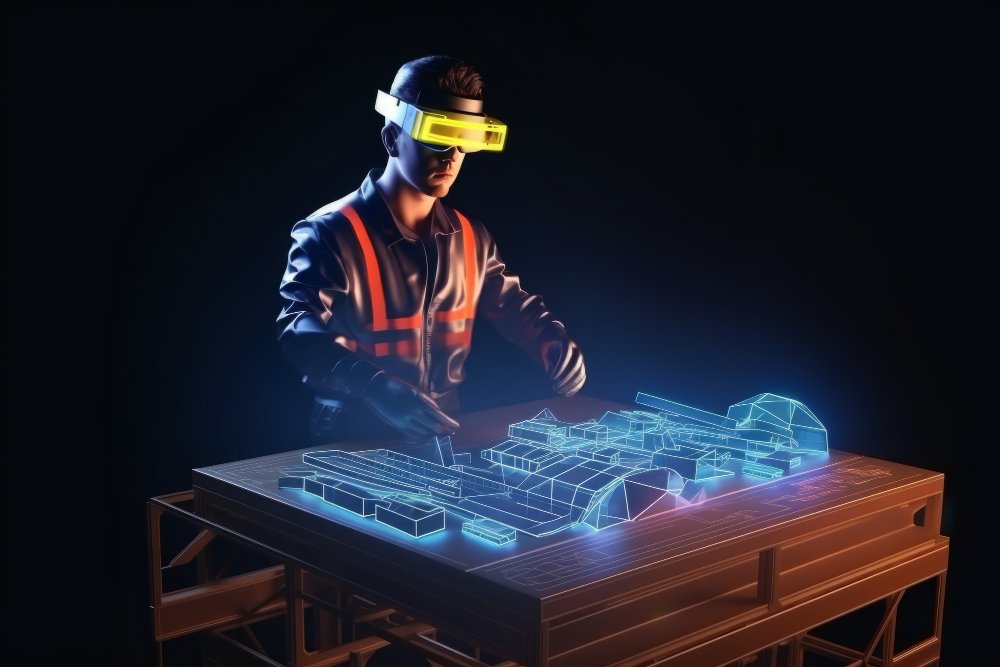
Construction has always reflected the capabilities of its era. From hand-built stone structures to steel skyscrapers and advanced infrastructure, every generation has adopted new methods to build faster, safer, and more efficiently. Today, the industry is entering another period of transformation. Rising material costs, labor shortages, environmental expectations, and digital innovation are pushing construction companies to rethink traditional practices.
The next decade will not simply introduce better equipment. It will reshape how projects are designed, planned, managed, and maintained throughout their entire lifecycle. Companies that embrace modern construction technology will be better prepared to control costs, reduce delays, improve quality, and remain competitive in an increasingly demanding market.
Digital Planning Is Becoming the Foundation of Every Project
Successful construction no longer begins when machinery arrives on-site. It starts with highly detailed digital planning that allows project teams to anticipate challenges long before physical work begins.
Modern design platforms now create intelligent building models that combine architectural, structural, electrical, and mechanical systems into a single coordinated environment. Instead of relying on separate drawings, engineers, architects, contractors, and project managers collaborate using shared digital models that reduce conflicts and improve communication.
This approach allows teams to identify potential issues before construction starts, preventing expensive redesigns and unnecessary delays. Better planning also improves scheduling, budgeting, procurement, and coordination among subcontractors.
As software continues to evolve, digital planning will become even more predictive, giving project leaders greater confidence when making critical decisions.
Artificial Intelligence Is Supporting Better Decision-Making
Artificial intelligence is steadily becoming one of the most valuable technologies in construction management.
Rather than replacing experienced professionals, AI helps process enormous amounts of project data much faster than traditional methods. It can evaluate schedules, estimate project risks, forecast material requirements, analyze productivity trends, and identify patterns that may not be immediately visible to human teams.
Construction managers can use AI-powered insights to optimize labor allocation, improve procurement timing, reduce idle equipment, and predict maintenance needs before failures occur.
Future AI systems will likely become integrated into daily operations, continuously monitoring project performance and providing recommendations that improve efficiency without disrupting established workflows.
Robotics Will Expand Beyond Specialized Tasks
Construction sites have traditionally relied heavily on skilled manual labor. While experienced workers will always remain essential, robotics is gradually taking over repetitive, physically demanding, and hazardous activities.
Robotic systems are already being used for tasks such as:
- Brick laying
- Concrete finishing
- Rebar tying
- Material transportation
- Welding
- Demolition
- Site inspections
These technologies improve consistency while reducing physical strain on workers.
Future robotic systems will become more mobile, adaptable, and collaborative, working alongside human crews instead of functioning as isolated machines. This partnership can improve productivity while helping address ongoing labor shortages affecting many regions.
Drones Are Expanding Their Role Across Construction Projects
Drones have evolved from simple aerial photography tools into valuable project management assets.
Construction companies now use drones to:
- Survey large sites quickly
- Track project progress
- Generate topographical maps
- Measure stockpile volumes
- Inspect difficult-to-reach structures
- Monitor safety compliance
Instead of waiting days for manual measurements, project managers can receive accurate aerial data within hours.
Future drone technology will likely include autonomous flight scheduling, automated progress reporting, and seamless integration with project management software, allowing teams to monitor construction in near real time.
Smart Equipment Is Transforming Job Site Operations
Heavy machinery is becoming increasingly connected through sensors, telematics, and cloud-based monitoring systems.
Excavators, bulldozers, cranes, and loaders now generate continuous operational data that helps managers monitor:
- Fuel consumption
- Equipment utilization
- Idle time
- Engine performance
- Maintenance schedules
- Operator efficiency
Instead of reacting after equipment failures occur, companies can schedule preventative maintenance based on actual operating conditions.
This predictive approach reduces downtime, lowers repair costs, and extends equipment lifespan while improving overall project productivity.
Sustainable Construction Technologies Will Lead Future Investments
Environmental responsibility is no longer viewed as an optional business objective. Clients, governments, investors, and communities increasingly expect projects to minimize environmental impact.
Future construction technology will support these expectations through smarter material selection and more efficient building processes.
Emerging innovations include:
- Low-carbon concrete
- Recycled structural materials
- Self-healing concrete
- High-performance insulation
- Energy-efficient building systems
- Water recycling technologies
- Renewable energy integration
Digital monitoring systems will also measure energy performance throughout a building’s operational life, allowing owners to continuously improve efficiency long after construction has been completed.
Companies investing in sustainable technologies today may gain significant competitive advantages as environmental regulations continue evolving.
Modular Construction Will Continue Growing
Traditional construction often faces weather delays, inconsistent quality, and scheduling challenges.
Modular construction addresses many of these issues by manufacturing building components inside controlled factory environments before transporting them to the project site for final assembly.
This approach offers several advantages:
- Faster project completion
- Improved quality control
- Reduced material waste
- Better worker safety
- Lower weather-related delays
- More predictable scheduling
Advances in digital manufacturing and logistics will further improve modular construction, making it suitable for residential, healthcare, education, hospitality, and commercial developments.
3D Printing Is Opening New Possibilities
Large-scale 3D printing is beginning to change how certain structures are built.
Instead of assembling numerous individual components, specialized printers can produce walls and structural elements layer by layer using engineered construction materials.
Although widespread adoption remains gradual, the technology offers promising benefits:
- Faster construction
- Reduced labor requirements
- Lower material waste
- Greater design flexibility
- Improved affordability for selected projects
Future improvements in printable materials and equipment reliability could significantly expand practical applications across residential housing, infrastructure, and disaster recovery projects.
Digital Twins Will Improve Long-Term Building Management
A completed building no longer represents the end of a construction project’s digital journey.
Digital twin technology creates a living virtual representation of physical assets that continues operating throughout the building’s lifecycle.
Sensors installed throughout the structure continuously collect operational information related to:
- Temperature
- Structural performance
- Energy consumption
- Occupancy
- Equipment health
- Environmental conditions
Facility managers can use this information to improve maintenance planning, optimize building performance, reduce operational costs, and extend asset life.
As sensor technology becomes more affordable, digital twins are expected to become standard practice for large commercial and industrial developments.
Advanced Safety Technology Will Protect Workers
Construction remains one of the world’s highest-risk industries, making safety innovation a major priority.
Modern wearable devices now monitor worker movement, fatigue, environmental exposure, and location in real time.
Future systems may include:
- Smart helmets
- Connected safety vests
- Collision avoidance systems
- AI-powered hazard detection
- Heat stress monitoring
- Automated emergency alerts
Instead of responding after incidents occur, project managers can proactively identify unsafe conditions before accidents happen.
Technology will never replace proper safety culture, but it provides valuable tools that strengthen overall risk management.
Connected Supply Chains Will Improve Project Efficiency
Material shortages and delivery delays have become major challenges across the construction industry.
Future supply chains will rely more heavily on digital tracking systems that provide greater visibility into procurement and logistics.
Project teams will have better information regarding:
- Inventory levels
- Shipment locations
- Supplier performance
- Material availability
- Delivery forecasts
Improved coordination allows companies to reduce storage costs while minimizing interruptions caused by missing materials.
Integrated procurement platforms also strengthen communication between contractors, suppliers, manufacturers, and logistics providers.
Skilled Workers Will Continue Driving Innovation
Technology receives much of the attention, but successful construction projects still depend on experienced professionals.
Future workers will combine traditional craftsmanship with digital expertise.
Construction careers increasingly require knowledge of:
- Project management software
- Data analysis
- Drone operation
- Robotics supervision
- Digital modeling
- Smart equipment systems
- Sustainability practices
Organizations that invest in workforce development will be better positioned to adopt emerging technologies without disrupting productivity.
The strongest construction companies will not simply purchase advanced equipment—they will build teams capable of maximizing its value.
Preparing for the Next Era of Construction
Construction technology is moving far beyond isolated innovations. The industry’s future will be shaped by connected systems that improve planning, productivity, sustainability, collaboration, and long-term asset performance.
Organizations that begin investing in digital workflows, workforce training, intelligent equipment, and modern project management today will be better equipped for tomorrow’s competitive environment.
The future of construction is not solely about building faster. It is about building smarter, making informed decisions earlier, reducing unnecessary waste, improving safety, and delivering projects that remain efficient throughout their entire lifespan. Companies that embrace these changes thoughtfully will create stronger businesses while delivering greater value to clients and communities alike.