
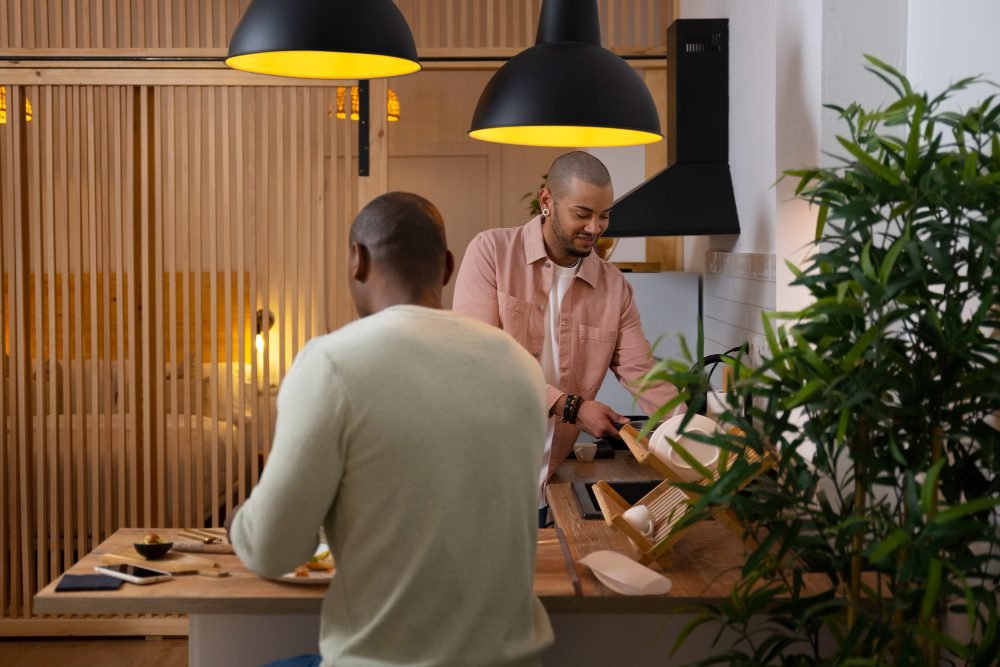
When I first started paying attention to how lighting impacts interior design aesthetics, I realized something surprising—even the most expensive furniture can look dull under poor lighting, while a simple room can feel luxurious with the right setup. If your space feels “off” and you can’t figure out why, chances are your lighting is the missing piece.
Why Lighting Feels Like the Soul of a Room
From my personal experience, lighting is not just functional—it completely shapes the mood and personality of a space. I’ve walked into rooms where the layout was average, but the lighting instantly made the space feel warm, inviting, and well-designed.
What stood out to me most was how different lighting temperatures and placements can change the entire perception of a room. A soft, warm glow can make a living room feel cozy, while bright white lighting can make the same space feel more like an office.
Natural vs Artificial Lighting in Real Homes
One thing I learned the hard way is that natural light is always the best starting point. Rooms with large windows automatically feel more open, airy, and visually appealing.
However, not every home has that luxury. That’s where artificial lighting becomes your design tool. I started experimenting with layered lighting, and honestly, it changed everything.
- Ambient lighting creates the base brightness
- Task lighting adds function (like reading or cooking)
- Accent lighting highlights design features
When I combined these, I noticed my space looked more intentional and professionally designed.
The Power of Light Color and Temperature
This was a game changer for me. I used to think all bulbs were the same, but they’re not.
- Warm lighting (2700K–3000K) makes spaces feel relaxed and comfortable
- Cool lighting (4000K–5000K) gives a clean, modern, and energetic vibe
I switched my bedroom to warm lighting and instantly felt more relaxed at night, while keeping cooler tones in my workspace improved focus and productivity.
How Lighting Highlights Interior Design Features
One thing I personally love is how lighting can draw attention to specific elements in a room. I added a simple spotlight above a wall frame, and suddenly it became a statement piece.
The same goes for:
- Textured walls
- Artwork
- Furniture details
With the right lighting, these features don’t just exist—they stand out and add depth to the design.
Mistakes I Made with Lighting (So You Don’t Have To)
I’ve made a few mistakes that taught me valuable lessons:
- Using only one ceiling light, which made the room feel flat
- Choosing bulbs that were too bright, making the space uncomfortable
- Ignoring lighting placement, which created shadows in the wrong areas
Fixing these made my home feel more balanced and visually appealing without changing any furniture.
Why Layered Lighting Feels More Premium
After trying different setups, I realized that layered lighting creates a high-end look without increasing your budget too much.
When you combine floor lamps, ceiling lights, and accent fixtures, the room feels:
- More dynamic
- More spacious
- More thoughtfully designed
It’s honestly one of the easiest ways to upgrade your home without a full renovation.
My Final Thoughts on Lighting and Design
From everything I’ve experienced, lighting is one of the most underrated elements in interior design. You don’t always need new furniture or expensive decor—sometimes, adjusting your lighting setup can completely transform your space.
Before you invest in major changes, try experimenting with different light sources, placements, and tones. You might be surprised at how much impact it creates.
AI Disclaimer: This content was created with the assistance of AI and has been carefully reviewed and refined to reflect a natural, human-like personal perspective.