
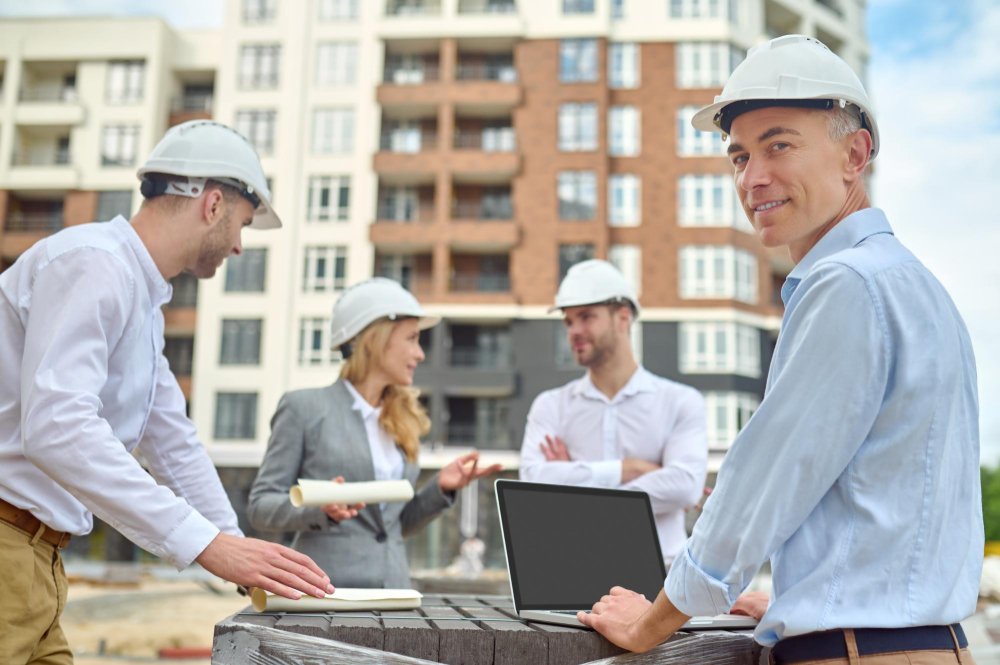
When I first got involved in a new construction project, I honestly thought things would move fast once the design was ready. But I quickly realized that building codes play a huge role in every single step, and ignoring them is not even an option. If you’re planning to build anything in the US, the truth is simple: building codes can either smooth your project or slow it down significantly.
What Building Codes Really Mean in Real Life
From my experience, building codes are not just rules on paper. They are strict legal requirements that control how a structure is designed, built, and inspected. These codes are created to ensure safety, durability, and efficiency, but they also come with their own challenges.
What surprised me the most was how every small detail is regulated. From electrical wiring to plumbing layouts, even ceiling heights and stair dimensions, everything must follow specific guidelines. Missing even a minor detail can lead to failed inspections and costly rework.
The Planning Stage Gets More Complicated
During the early phase, I noticed that planning becomes more technical because of code compliance. You can’t just design what looks good—you have to ensure that your plans meet local building regulations.
Architects and engineers spend a lot of time checking if the design meets zoning laws, structural codes, and energy efficiency standards. This often leads to design revisions, which can delay the project before construction even begins.
In my case, we had to redo part of the layout just because it didn’t meet egress requirements, which I didn’t even know existed before.
Permits and Approvals Can Slow Everything Down
One of the biggest impacts I personally felt was during the permit approval process. Before you can even start construction, your plans must be reviewed by local authorities.
This step can take weeks or even months, depending on the location. If something doesn’t match the required codes, your application gets rejected or sent back for revision.
What I learned is that getting permits is not just a formality—it’s a major checkpoint that can delay your entire timeline if not handled properly.
Construction Costs Increase More Than Expected
I’ll be honest—building codes can increase your construction costs. At first, I thought the budget I had was enough, but code requirements added extra expenses I didn’t plan for.
For example, we had to upgrade materials to meet fire safety standards and install additional systems for energy compliance. These changes were necessary, but they definitely pushed the budget higher.
However, I also realized that these costs are not random. They ensure long-term safety and lower maintenance issues, which actually saves money over time.
Inspections Become a Regular Part of the Process
During construction, I quickly got used to the idea that inspections are unavoidable. Inspectors visit at different stages to verify that everything meets the required standards.
If something doesn’t pass, you have to fix it before moving forward. This can cause unexpected delays, especially if corrections are complex.
In one instance, we had to redo part of the framing because it didn’t align with structural code requirements. It felt frustrating at the time, but it reinforced how strict the system is.
Delays Are Common but Not Always Negative
One thing I didn’t expect was how often building codes can cause delays. Whether it’s waiting for permits, fixing inspection issues, or adjusting designs, delays are part of the process.
But looking back, I realized these delays are not entirely bad. They ensure that the final structure is safe, reliable, and legally compliant.
Still, if you’re working on tight deadlines, you need to plan for these delays in advance.
Why Ignoring Building Codes Is a Bad Idea
I’ve seen people try to cut corners, and it rarely ends well. Ignoring building codes can lead to legal penalties, fines, or even demolition orders.
Worse, it can put people at risk if the structure is unsafe. In the US, compliance is taken very seriously, and non-compliance can completely shut down your project.
From my experience, it’s always better to follow the rules from the beginning rather than fixing mistakes later.
Working with Professionals Makes a Huge Difference
One of the smartest decisions I made was hiring experienced professionals who understand building codes and regulations. They helped avoid mistakes and guided the project in the right direction.
Contractors, architects, and inspectors who are familiar with local code requirements can save you time, money, and stress.
Without their help, I’m sure the project would have faced even more delays and complications.
How Building Codes Shape the Final Outcome
At the end of the project, I realized that building codes actually shape the quality of the final structure. They ensure that everything is built properly and meets modern standards.
Even though the process felt strict and sometimes frustrating, the result was a strong, safe, and efficient building.
So while codes may feel like obstacles during construction, they actually play a big role in delivering a reliable outcome.
Final Thoughts on Building Codes and Construction Projects
Looking back at my experience, I can confidently say that building codes impact new construction in every possible way—from planning and budgeting to execution and completion. They may slow things down and increase costs, but they also ensure that the project meets high safety and quality standards.
If you’re starting a new project, don’t treat codes as a burden. Instead, see them as a framework that protects your investment and ensures long-term success.
AI Disclaimer: This content was created with the assistance of AI and refined to provide a natural, human-like perspective based on real-world construction experiences.