
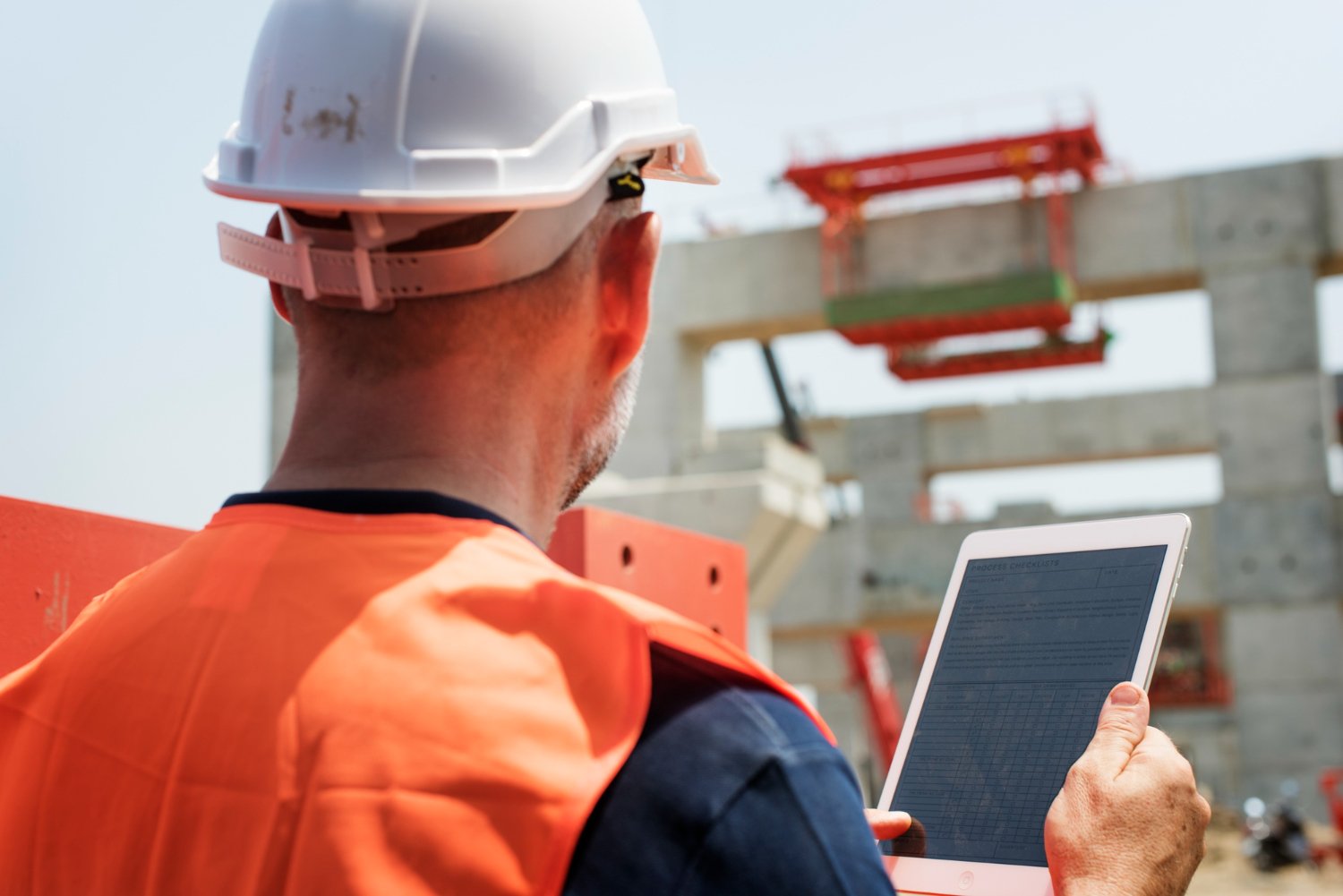
Working around construction sites for a while gives you a very clear idea of how things used to be and how much they are changing now. In the USA, I have personally seen construction environments shift from manual-heavy systems to highly digital and connected workflows. It is not just about machines anymore; it is about data, automation, and real-time decision-making.
In my experience, the introduction of smart tools has made a noticeable difference in project speed, safety, and coordination between teams. What used to take hours of checking and reporting can now be monitored within minutes using connected devices and software systems.
Smarter Planning and Real-Time Project Tracking
One of the biggest changes I have personally noticed is in project planning and tracking. Earlier, supervisors had to physically check progress and manually update reports. Now, with tools like cloud-based construction management platforms and IoT sensors, updates are almost instant.
This means delays are identified earlier, and corrections are made before problems grow bigger. In real job site situations, I have seen how real-time dashboards help managers keep everything aligned without constant site visits.
It also reduces confusion between teams because everyone is working from the same updated information.
Improved Safety Through Smart Monitoring
Safety is always a serious concern on construction sites. From my observation, smart technology has made a real difference in reducing risk. Devices like wearable safety sensors, smart helmets, and AI-based monitoring systems help detect dangerous conditions before accidents happen.
For example, some sites now use sensors that alert workers if they enter restricted or unsafe zones. Others track fatigue levels to reduce human error caused by long working hours.
Personally, I feel this is one of the most important improvements because real-time hazard detection has saved both time and lives on modern construction projects.
Better Communication Between Teams
Construction projects often fail or slow down due to poor communication. I have seen this problem many times on traditional sites. However, with smart technology, communication has become much smoother.
Tools like mobile project apps, cloud collaboration systems, and instant messaging platforms designed for construction teams allow engineers, contractors, and workers to stay connected all the time.
Instead of waiting for end-of-day meetings, updates are shared instantly. This reduces misunderstandings and helps everyone stay on the same page. In my experience, this has reduced rework significantly.
Efficient Use of Resources and Cost Control
Another major advantage I have observed is better control over materials and resources. Smart systems can track material usage, equipment location, and fuel consumption in real time.
This reduces waste and helps prevent over-ordering or misplacing materials. On one project I observed, the use of tracking systems helped reduce equipment idle time by a noticeable margin.
In simple terms, when resources are used more efficiently, overall project cost control improves naturally without needing extra manual effort.
Faster Decision Making with Data Insights
One thing that stands out in modern construction is the use of data analytics. Instead of guessing or relying only on experience, managers now use real-time data to make decisions.
For example, if weather conditions are expected to delay work, systems can automatically adjust schedules. If productivity drops in one area, it is quickly visible through reports.
From my perspective, this shift towards data-driven decision-making has made construction management more predictable and structured.
Equipment Maintenance Becomes Easier
In traditional construction, equipment breakdowns often caused unexpected delays. Now, with predictive maintenance technology, machines can report issues before they fail.
Sensors inside equipment monitor performance and alert teams when servicing is needed. I have seen this reduce downtime significantly because repairs are planned instead of sudden breakdowns.
This approach keeps projects running more smoothly and avoids last-minute interruptions.
Environmental Efficiency and Sustainability
Smart construction is also helping with environmental control. I have noticed more projects in the USA using systems that monitor energy consumption, water usage, and waste levels.
This helps reduce unnecessary environmental impact. Some sites even adjust machinery usage automatically to reduce fuel consumption during low-demand periods.
While this may not always be the main focus on every project, it is becoming more important as regulations and sustainability goals increase.
My Overall Experience
Based on what I have seen, the shift toward smart technology in construction is not just a trend; it is becoming a standard way of working. The biggest difference I have personally felt is the reduction in uncertainty.
When systems are connected and data is available instantly, decision-making becomes faster, safety improves, and project delays reduce significantly.
At the same time, I also believe that technology alone is not enough. Skilled workers and experienced supervisors are still essential because they interpret the data and apply practical solutions on-site.
Final Thoughts
In real-world construction environments, smart technology has changed how projects are managed from start to finish. From planning to execution, everything is now more connected and transparent.
The most valuable outcome in my view is the improvement in efficiency, safety, and communication, which directly impacts project success.
As construction continues to evolve in the USA, I expect smart systems to become even more integrated into everyday site operations.
AI Disclaimer: This content is generated with the assistance of AI and is based on general knowledge and simulated practical insights. It should be used for informational purposes only and not as professional engineering or construction advice.