
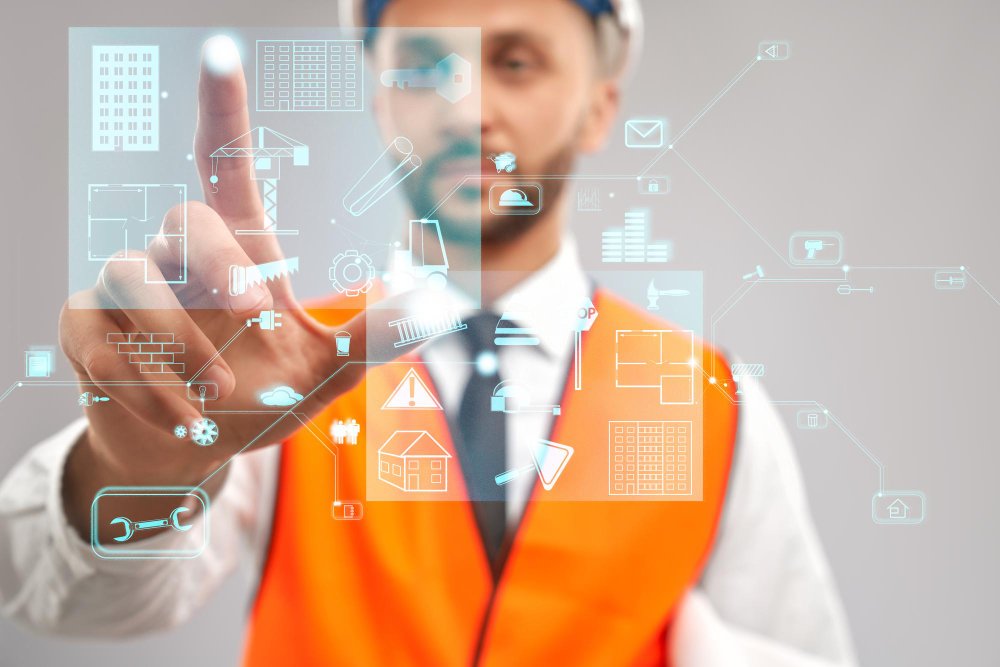
When I first started visiting construction sites, I couldn’t help but notice how much risk workers face every day. Slips, trips, heavy machinery, and scaffolding accidents are all too common. Over time, though, I’ve seen a dramatic shift in construction safety, and a large part of that change comes from technology-driven innovations. In this article, I’ll share my personal take on how technology is transforming safety in construction, often in ways we might overlook at first glance.
Smart Wearables and Personal Protective Equipment
One of the first things that caught my attention was the rise of smart wearables on construction sites. Devices like smart helmets, safety vests, and smart boots now come equipped with sensors that monitor a worker’s vital signs and location. I’ve seen firsthand how real-time alerts from these devices can prevent serious accidents by notifying workers if they enter a hazardous area or if machinery is operating nearby. These wearable technologies are no longer just cool gadgets—they’re essential tools for reducing on-site injuries.
Drones for Safety Monitoring
Another game-changer I’ve witnessed is the use of drones for construction site inspections. Drones allow safety managers to quickly survey hard-to-reach areas like high scaffolding, rooftops, or large-scale construction zones. In one instance, a drone detected an unstable scaffold before anyone got hurt, which was something we might have missed with traditional inspection methods. The combination of real-time video monitoring and aerial surveying makes safety checks faster, more accurate, and far less risky.
AI-Powered Risk Analysis
AI is starting to play a huge role in predicting and preventing accidents. AI algorithms can analyze historical safety data and identify patterns that might lead to accidents. I’ve personally used software that highlights areas of concern on-site, helping supervisors proactively adjust workflows and avoid dangerous situations. This level of predictive insight was unimaginable a decade ago, but now it’s becoming a practical tool in day-to-day construction management.
Augmented Reality for Safety Training
I was initially skeptical about augmented reality (AR) safety training, but after experiencing it, I have to say it’s impressive. AR allows workers to practice handling equipment or responding to emergencies in a controlled, virtual environment before they step on the actual site. I’ve noticed that teams trained with AR simulations tend to be more aware of hazards and follow safety protocols more consistently. The combination of hands-on experience and virtual scenarios makes learning both safer and more effective.
Real-Time Communication Tools
Construction sites are chaotic, and quick communication can save lives. I’ve seen how mobile apps and connected radios keep teams informed about potential hazards immediately. Whether it’s a structural warning or an update on machinery operation, having instant communication channels ensures that workers are aware and can respond before incidents occur. The speed at which information flows now is a safety game-changer.
My Takeaway on Tech-Driven Safety
From my experience, the most impressive thing about these technology-driven safety improvements is how they complement traditional safety practices rather than replace them. Safety meetings, PPE, and hands-on supervision are still critical, but technology adds an extra layer of protection that was previously unavailable. In my opinion, investing in safety tech isn’t just about compliance—it’s about genuinely protecting human lives and improving overall workflow efficiency.
AI Disclaimer: This content was created with the assistance of AI tools to ensure clarity and thoroughness. While every effort has been made to provide accurate and practical insights, please consult certified safety professionals for specific construction site safety decisions.