
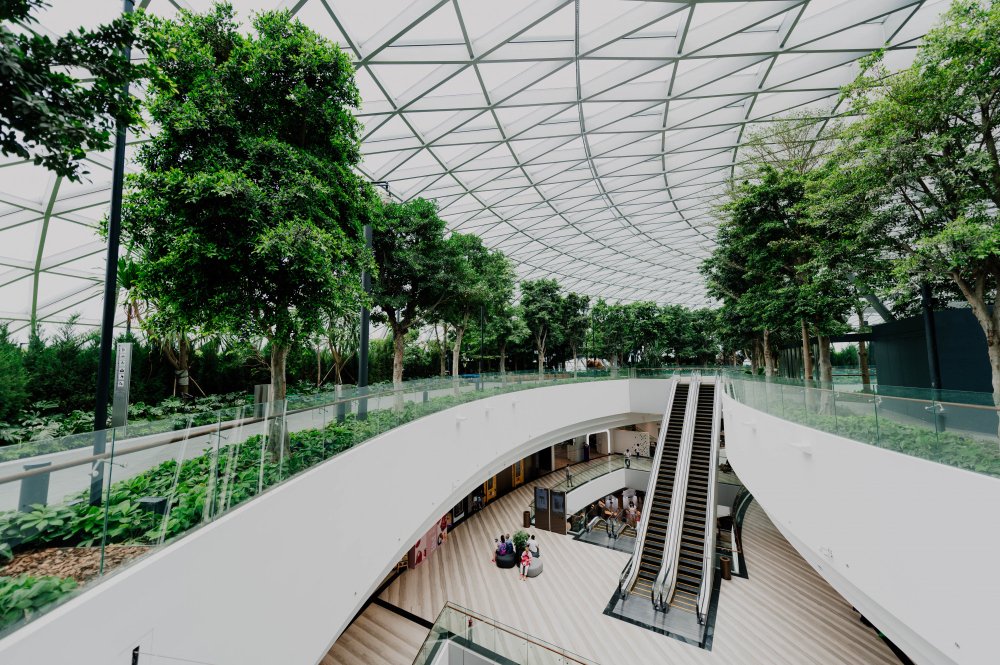
When I first started exploring modern construction trends, I quickly realized that sustainable materials are no longer just a “green choice” — they’ve become a smart, long-term investment. If you’re building or planning a project, the quick answer is simple: use eco-friendly materials that reduce waste, save energy, and last longer. It’s not just good for the planet — it’s good for your wallet too.
My Experience with Sustainable Building Choices
From what I’ve seen in recent projects, builders are shifting toward materials that offer durability and efficiency. I used to think sustainability meant higher costs, but honestly, that’s not always true anymore. In many cases, modern eco-materials actually reduce maintenance and energy bills over time.
What stood out to me the most is how these materials improve indoor comfort while lowering environmental impact. It feels like a win-win situation.
Recycled Steel A Strong and Smart Option
One material I’ve seen used a lot is recycled steel. It’s incredibly durable and perfect for structural frameworks.
The best part? Steel can be recycled multiple times without losing strength, which makes it a top choice for sustainable construction. I’ve noticed that projects using steel tend to have better structural integrity and longer lifespans.
Bamboo Fast Growing and Reliable
At first, I underestimated bamboo. But after seeing it in action, I realized it’s one of the most impressive sustainable materials available today.
Bamboo grows extremely fast and regenerates naturally, making it a renewable resource. It’s commonly used for flooring, paneling, and even structural elements. Plus, it adds a modern aesthetic look that many homeowners love.
Cross Laminated Timber A Modern Wood Solution
Another material that caught my attention is cross-laminated timber (CLT). It’s basically engineered wood, but much stronger.
What makes it special is that CLT reduces construction waste and speeds up building time. I’ve seen projects completed faster because prefabricated panels are easy to install. It’s also a great alternative to concrete in some cases.
Reclaimed Wood Bringing Old Materials Back to Life
I personally love the idea of reclaimed wood. It gives buildings a unique character while reducing the need for new resources.
Using reclaimed wood means less deforestation and less construction waste. Plus, it often has a rich texture and history that new materials just can’t match.
Insulated Concrete Forms Energy Efficient Walls
From an energy perspective, insulated concrete forms (ICFs) are a game changer.
These materials provide excellent insulation, which helps maintain indoor temperatures. In my opinion, this is one of the best ways to improve energy efficiency in modern homes. Over time, this leads to lower heating and cooling costs.
Low VOC Materials Healthier Indoor Air
One thing many people overlook is indoor air quality. That’s where low-VOC (volatile organic compound) materials come in.
These include paints, adhesives, and finishes that release fewer harmful chemicals. I’ve noticed a big difference in spaces built with these materials — the air feels cleaner and safer.
Why Sustainable Materials Are Worth It
From my experience, choosing sustainable construction materials is not just about trends. It’s about building smarter, healthier, and more efficient spaces.
You get:
- Lower energy bills
- Reduced environmental impact
- Better durability
- Improved indoor comfort
And honestly, once you see the long-term benefits, it’s hard to go back to traditional materials.
Final Thoughts from My Perspective
If I had to sum it up, I’d say this: modern construction is evolving fast, and sustainability is leading the way. Whether you’re a homeowner or a builder, making the switch to eco-friendly materials is one of the smartest decisions you can make today.
AI Disclaimer: This content was created with the assistance of AI and edited to reflect a natural, human-like perspective based on general industry knowledge and personal-style insights.