
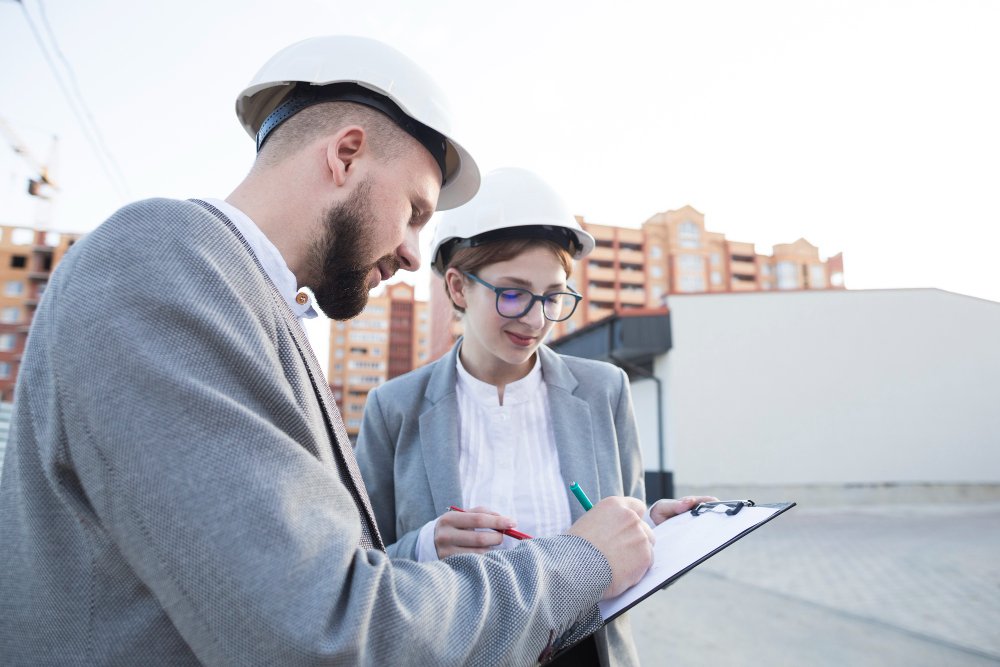
When I first started working on construction sites, I quickly realized that risk management in construction projects isn’t just a technical process—it’s something that can make or break an entire project. From unexpected delays to budget overruns and safety hazards, risks are always present. The real difference comes from how you prepare for them and respond when things don’t go as planned.
Why Risk Management Matters More Than People Think
In my early days, I underestimated how important identifying potential risks early could be. I thought most issues could be handled as they came up. That mindset cost time and money.
Now, I see risk management as a proactive shield. It helps you:
- Avoid costly mistakes before they happen
- Keep timelines realistic and achievable
- Maintain worker safety on-site
- Protect your overall investment
Ignoring risks doesn’t eliminate them—it just makes them harder to control later.
Types of Risks I’ve Personally Encountered
Working across different projects, I’ve faced a variety of challenges. The most common ones include:
Financial Risks
Budget overruns are one of the biggest issues. A slight miscalculation in materials or labor can quickly escalate into a serious financial problem.
Safety Risks
Construction sites are full of hazards. Without proper planning, even a small oversight can lead to accidents.
Operational Risks
Delays in materials, equipment breakdowns, or poor coordination between teams can slow everything down.
Environmental Risks
Weather conditions can completely disrupt schedules. I’ve seen projects delayed for weeks due to unexpected storms.
How I Approach Risk Management on Real Projects
Over time, I developed a simple but effective approach to managing risks.
1. Risk Identification Comes First
I always start by listing every possible issue that could arise. This includes site conditions, labor availability, and even supplier reliability.
2. Prioritizing What Matters Most
Not all risks are equal. I focus on high-impact risks—the ones that can cause serious delays or financial damage.
3. Creating a Clear Action Plan
For every major risk, I prepare a backup plan. This might include alternative suppliers, extra labor, or schedule adjustments.
4. Continuous Monitoring
Risk management isn’t a one-time task. I regularly review the project to catch new risks before they grow.
Mistakes I Made (And What They Taught Me)
One of my biggest mistakes was relying too much on assumptions. I once assumed a supplier would deliver materials on time without confirming backup options. That delay pushed the entire timeline back.
This experience taught me that every assumption is a hidden risk. Now, I double-check everything and always prepare alternatives.
Tools and Techniques That Actually Help
I’ve experimented with different methods, but a few stand out:
- Risk assessment matrices to evaluate impact and probability
- Daily site inspections to catch issues early
- Clear communication systems between teams
- Detailed project schedules with buffer time
These tools don’t eliminate risk, but they make it manageable.
The Human Factor in Risk Management
One thing people often overlook is the role of the team. Even the best plans fail without proper execution.
I’ve learned that training workers, maintaining clear communication, and building accountability are just as important as technical planning. A well-informed team reduces risks significantly.
Final Thoughts From My Experience
After working on multiple projects, I can confidently say that risk management in construction projects is not optional—it’s essential. It saves time, protects budgets, and most importantly, keeps people safe.
If I could give one piece of advice, it would be this: never wait for a problem to appear—anticipate it and prepare in advance.
AI Disclaimer: This content was created with the assistance of artificial intelligence and refined with human-like experience-based writing to provide practical insights.