
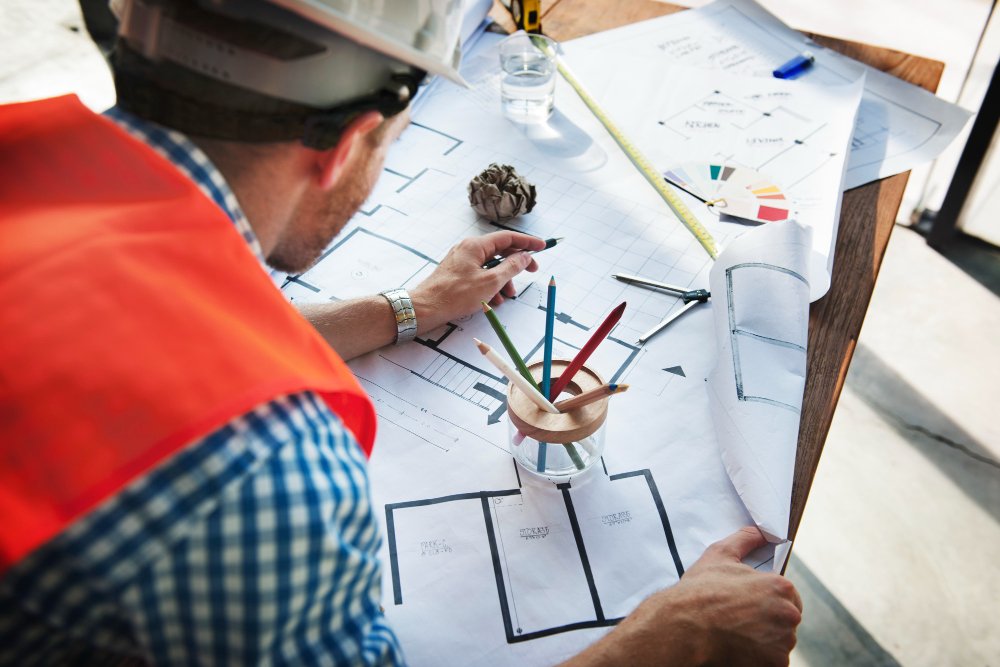
If you have ever started a building project and felt overwhelmed within the first week, you are not alone. I have been there. What saved me was building a realistic construction project plan before breaking ground. Without a clear roadmap, delays, budget overruns, and stress become normal. With the right structure in place, everything becomes manageable.
In this guide, I will walk you through how I personally create a realistic construction project plan from scratch, step by step, based on real-world experience rather than theory.
Start With a Clear Project Vision
Every successful build begins with a clear project vision. Before calling contractors or requesting bids, define:
- What exactly are you building?
- What is the purpose of the structure?
- What is your ideal completion timeline?
- What is your maximum budget?
When I started my first renovation project, I skipped this step and paid for it later. I kept changing my mind mid-project. That added costs and extended my schedule by weeks.
Write down your project goals, scope, and limitations. This becomes the foundation of your plan.
Define the Project Scope in Detail
The project scope explains what is included and what is not. This prevents confusion and scope creep.
Break your scope into:
- Site preparation
- Structural work
- Electrical and plumbing
- Interior finishes
- Exterior work
Be specific. Instead of writing “kitchen remodel,” write “replace cabinets, install quartz countertops, upgrade lighting, replace flooring.”
A detailed scope of work document protects you from miscommunication with contractors.
Create a Realistic Budget
Budgeting is where most projects fail. In my experience, people underestimate costs by at least 20%.
To build a realistic construction budget, include:
- Materials
- Labor
- Permits
- Equipment rentals
- Design fees
- Inspection costs
- Contingency fund (at least 10–15%)
Always add a contingency reserve. Unexpected issues are normal in construction. Weather delays, material price increases, or structural surprises can happen at any time.
If you skip contingency planning, your project will feel like a financial emergency every week.
Build a Practical Construction Timeline
Now comes scheduling. A construction timeline should be realistic, not optimistic.
Start by listing all major phases:
- Pre-construction planning
- Permitting
- Site preparation
- Foundation
- Framing
- Mechanical installation
- Inspections
- Finishing work
- Final walkthrough
Assign estimated durations to each phase. Then add buffer time.
One mistake I made early in my career was stacking tasks too tightly. When one phase got delayed, everything shifted. A buffer period between major milestones gives you breathing room.
Use tools like:
- Gantt charts
- Construction scheduling software
- Spreadsheet trackers
A visual timeline helps everyone stay aligned.
Secure Permits and Approvals Early
Never ignore local regulations. Permits can delay your project if not handled early.
Check with your local municipality about:
- Building permits
- Zoning requirements
- Environmental approvals
- Safety compliance
Submitting permit applications early avoids schedule disruptions. I once waited until the last minute, and the review process delayed my project by nearly a month.
A strong pre-construction compliance plan prevents headaches later.
Assemble the Right Team
Your team determines your outcome.
A typical project may include:
- Architect or designer
- General contractor
- Subcontractors
- Structural engineer
- Project manager
When selecting contractors, do not only compare price. Evaluate:
- Experience
- Past projects
- Communication style
- Availability
- References
A low bid often becomes expensive later due to change orders and delays.
Choose professionals who respect your project planning structure and timeline.
Develop a Risk Management Plan
Construction always carries risk. A risk management plan prepares you before problems arise.
Common risks include:
- Material shortages
- Weather delays
- Labor shortages
- Design changes
- Budget overruns
For each risk, define:
- The likelihood
- The potential impact
- The response strategy
For example, if materials are delayed, have a backup supplier ready. If weather may interrupt work, adjust scheduling buffers.
Proactive planning reduces stress dramatically.
Create a Communication Strategy
Poor communication destroys projects.
Set up a clear communication framework from day one:
- Weekly progress meetings
- Written updates
- Budget tracking reports
- Issue tracking logs
I recommend documenting everything. Verbal agreements can cause misunderstandings.
Use email summaries after meetings to confirm decisions. This keeps your construction project documentation organized and protects you legally.
Plan Procurement and Material Scheduling
Ordering materials at the right time is critical.
A procurement schedule should match your construction timeline. Ordering too early creates storage issues. Ordering too late causes delays.
Focus on:
- Long-lead items
- Custom materials
- Imported products
- Specialty equipment
Track supplier delivery dates carefully. One delayed shipment can affect multiple downstream tasks.
Establish Milestones and Performance Tracking
Milestones keep your project measurable.
Examples of construction milestones:
- Foundation complete
- Framing complete
- Electrical inspection passed
- Interior finishes installed
- Final inspection approved
Tie payments to milestone completion whenever possible. This keeps contractors accountable and aligned with progress goals.
Track performance using:
- Cost variance reports
- Schedule variance reports
- Productivity tracking
Measuring progress regularly prevents small issues from becoming major problems.
Monitor and Adjust During Execution
Even the best plan requires adjustments.
Once construction begins, monitor:
- Budget usage
- Timeline adherence
- Quality of work
- Safety compliance
If something goes off track, address it immediately. Do not wait.
I learned that early correction saves both money and time. A flexible but structured approach makes your realistic construction project plan truly effective.
Conduct Final Review and Project Closeout
As the project nears completion:
- Conduct inspections
- Verify punch list items
- Collect warranties
- Secure final approvals
- Archive project documents
The project closeout process is just as important as planning. It ensures long-term success and protects your investment.
Final Thoughts on Building a Realistic Construction Project Plan
Creating a realistic construction project plan from scratch is not about being perfect. It is about being prepared. In my experience, projects fail when people rush into execution without planning structure.
When you define scope clearly, build a strong budget, prepare for risks, and communicate effectively, your chances of success increase dramatically. A construction project will always have challenges, but a detailed plan turns chaos into control.
If you treat planning as seriously as building, your results will reflect that discipline.
Disclaimer This article is based on personal experience and general construction industry practices. It is intended for informational purposes only and does not replace professional engineering, architectural, or legal advice. Construction regulations, costs, and requirements vary by state and municipality in the United States. Always consult licensed professionals and local authorities before starting any construction project.