
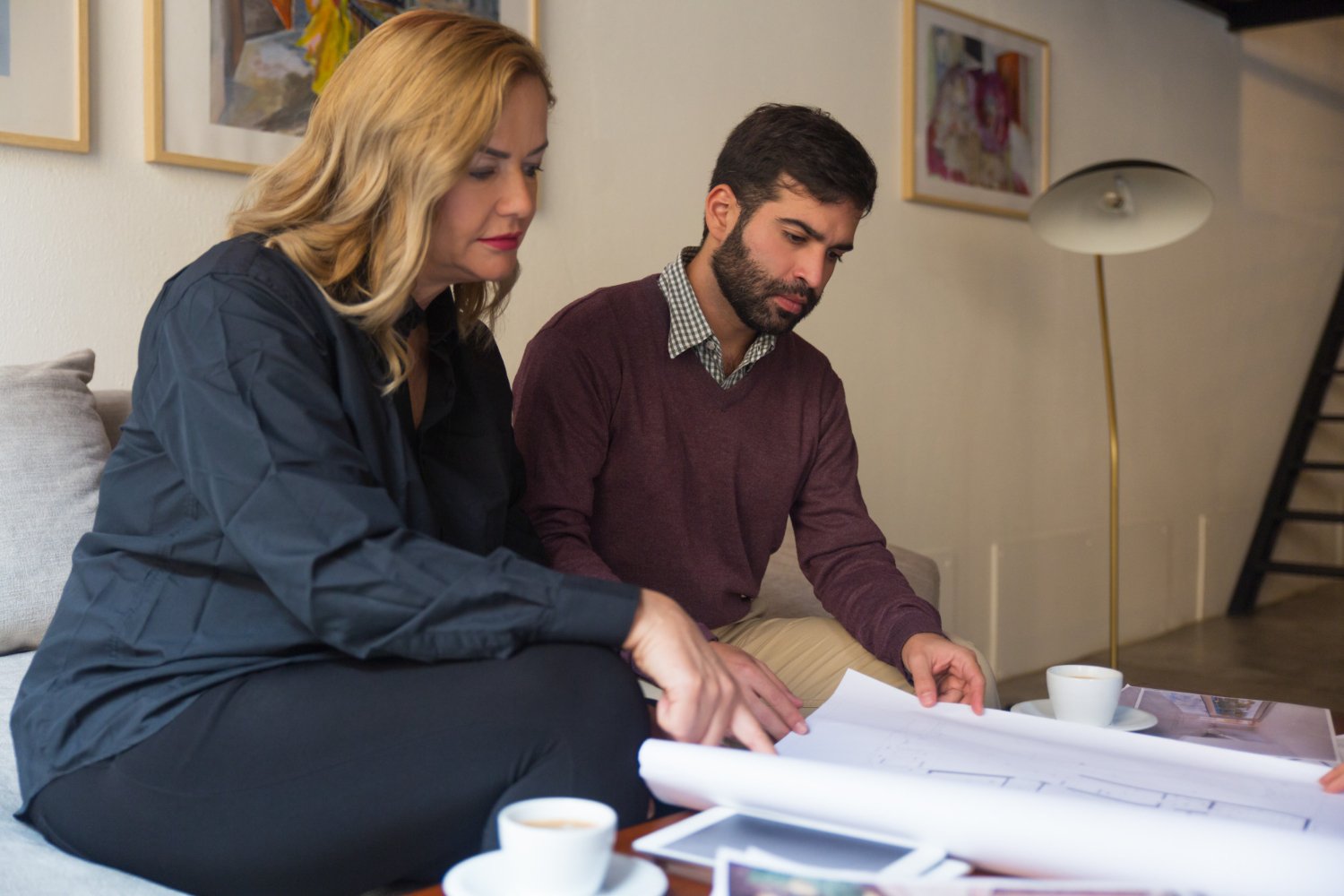
If you are thinking about building your own home, let me say this first — it is exciting, but it can also become overwhelming very fast. I’ve seen people jump into construction with big dreams and Pinterest boards, but no real plan. That’s when stress, delays, and extra costs start piling up. If I could go back and prepare better, I would focus on clear planning, realistic budgeting, and hiring the right professionals from day one.
Let me walk you through what I believe truly matters before breaking ground.
Start With a Clear Vision
Before hiring anyone, you need a solid idea of what you want. Not just “a modern house” or “something spacious.” I mean specifics.
Think about:
- How many bedrooms and bathrooms you actually need
- Future family plans
- Storage space requirements
- Home office or flexible rooms
- Energy efficiency preferences
In my experience, people change their minds mid-project because they didn’t think long-term. That leads to expensive redesigns. Finalizing your layout early saves serious money and stress.
Be Honest About Your Budget
This is where reality hits.
One thing I learned is that construction almost always costs more than your first estimate. Materials fluctuate. Labor rates increase. Small changes add up quickly.
When planning your budget, include:
- Construction materials
- Labor costs
- Architect and design fees
- Permits and inspections
- Utility connections
- Landscaping
- Furniture and finishing touches
And here’s my biggest tip: Add at least 10–20% extra as a contingency fund. If you don’t use it, great. But if something unexpected happens (and it usually does), you’ll be glad you planned ahead.
Choose the Right Location
Location is not just about scenery. It impacts resale value, daily convenience, and long-term happiness.
Before buying land, check:
- Zoning laws
- School districts
- Flood zones
- Utility access
- Future development plans in the area
I’ve seen people buy cheaper land without checking soil conditions, only to spend thousands on foundation adjustments. Site preparation can dramatically affect your total construction cost.
Know the Legal Requirements
This part is not exciting, but it’s critical.
In the United States, every city and county has specific building codes. You will likely need:
- Building permits
- Electrical permits
- Plumbing permits
- HVAC approvals
- Final inspections before occupancy
Skipping permits to “save money” can lead to fines or even forced demolition. Always follow local construction regulations to avoid legal trouble later.
If you hire a contractor, confirm in writing that they will handle permits properly.
Hiring the Right Contractor Matters More Than You Think
If I had to highlight one major factor, it would be this: Your contractor can make or break your project.
Don’t just go with the lowest bid. Instead:
- Check licenses and insurance
- Ask for references from past clients
- Visit previous job sites
- Read online reviews
- Get everything in a written contract
A detailed contract should include:
- Payment schedule
- Project timeline
- Scope of work
- Warranty information
Never rely on verbal promises. Clear contracts prevent misunderstandings and protect your investment.
Plan the Timeline Realistically
Many people think a house can be built in a few months. Sometimes that’s true — but often, delays happen.
Weather, permit approvals, supply chain issues, and labor shortages can all slow progress. I’ve seen projects delayed simply because certain materials were backordered.
Expect delays and plan flexibility into your moving schedule. Avoid selling your current home too early unless you have backup housing arranged.
Think About Energy Efficiency Early
It’s much easier (and cheaper) to plan efficiency during construction than after completion.
Consider:
- High-quality insulation
- Energy-efficient windows
- Solar panel readiness
- Smart home systems
- Efficient HVAC systems
Yes, these upgrades may increase upfront costs. But in the long run, lower utility bills and higher resale value often make it worthwhile.
Avoid Constant Design Changes
Changing your mind during construction is expensive.
Moving a wall, relocating plumbing, or switching materials halfway through can cost thousands. I’ve personally seen budgets stretch because of “just one small change.”
Once construction begins, try to stick with your plan. Decision-making before breaking ground saves major headaches later.
Keep Communication Open
One lesson I strongly believe in: Regular communication prevents small issues from becoming big problems.
Schedule weekly check-ins with your contractor. Ask for updates. Visit the site when possible.
When everyone stays informed, the project runs smoother. Silence usually leads to confusion.
Don’t Forget About Resale Value
Even if this is your “forever home,” life changes.
Avoid extremely unique features that might limit future buyers. For example:
- Overly customized layouts
- Highly unusual room placements
- Trendy materials that may age poorly
Balanced design choices protect long-term property value.
Prepare Emotionally
This might sound strange, but building a home is emotional.
There will be stress. There will be unexpected issues. You may question decisions. That’s normal.
Staying calm and flexible makes a huge difference. Patience is just as important as money in a construction project.
Final Thoughts
If I could summarize everything into one sentence, it would be this: Preparation determines whether your home construction experience feels rewarding or exhausting.
Take your time before starting. Plan carefully. Build smart. And always work with professionals you trust.
Building a home can absolutely be one of the most satisfying investments you ever make — as long as you go in prepared.
Disclaimer: This article reflects personal experiences and general information about residential construction in the United States. It is not professional legal, financial, or engineering advice. Building regulations, costs, and requirements vary by state and municipality. Always consult licensed contractors, architects, financial advisors, and local authorities before starting a home construction project.