
Starting a new construction project can feel overwhelming, especially when you don’t know what comes next. From my own experience, the biggest challenge is not the work itself but keeping track of each phase and knowing what to expect at every step. The good news is that once you understand the new construction project timeline, everything becomes easier to manage and less stressful.
Pre-Construction Phase
This is where everything begins. In my case, I underestimated how long this phase would take. It’s not just paperwork—it’s the foundation of your entire project.
The first step involves finalizing the project idea and budget planning. You need clarity on what you want and how much you’re willing to spend. Then comes hiring architects and designers, which is a crucial decision because they shape your vision into reality.
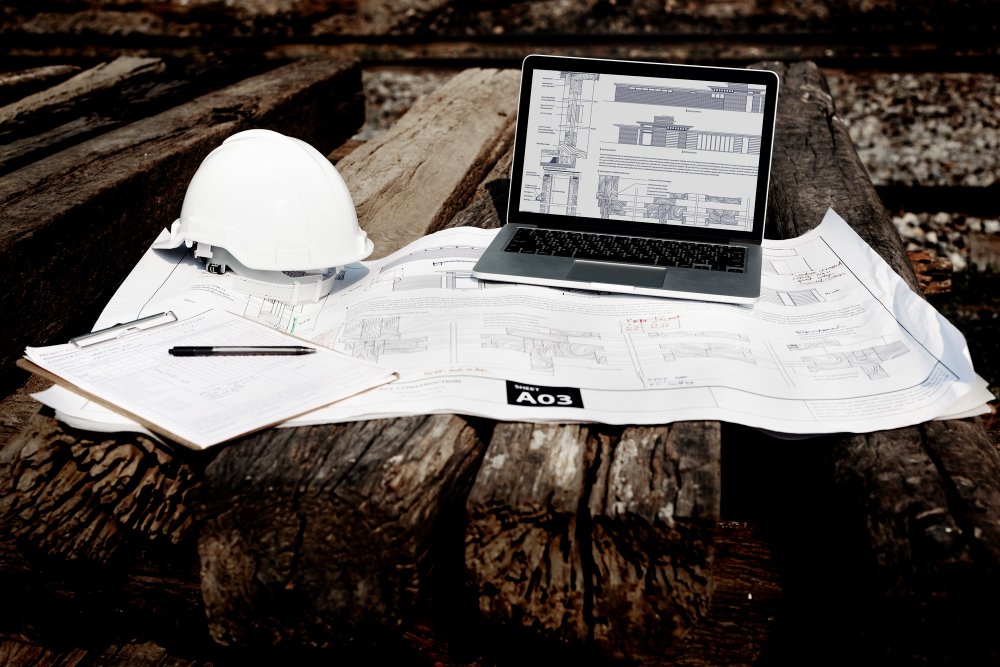
After that, you move into design development and blueprint creation. This stage includes multiple revisions, and trust me, it takes patience. Once the design is finalized, you’ll need permits and approvals from local authorities, which can sometimes delay things depending on regulations.
From my experience, this phase can take anywhere from 1 to 3 months, but delays are common if documents are incomplete.
Site Preparation and Foundation
Once approvals are in place, things finally start moving on-site. This is where you begin to see physical progress.
The first step is land clearing and site preparation, which includes removing debris, leveling the ground, and marking boundaries. After that, contractors move on to excavation and foundation work.
The foundation is critical because it supports the entire structure. Whether it’s a slab, crawl space, or basement, this stage requires precision and quality materials.
I remember this phase being exciting because it felt like real progress, but it also required constant supervision to avoid costly mistakes.
This phase usually takes about 2 to 4 weeks, depending on weather and soil conditions.
Framing the Structure
This is where your project starts looking like an actual building.
Framing includes constructing walls, floors, and the roof structure. It’s often called the skeleton of the building. Once framing is complete, you can clearly see the layout of rooms and spaces.
During this stage, I realized how important it is to check everything carefully. Any mistake here can affect the rest of the project. This includes window placements, door openings, and room dimensions.
This phase typically takes 3 to 6 weeks, depending on the size of the project.
Plumbing, Electrical, and HVAC Installation
After framing, the focus shifts to the internal systems.
This stage includes installing plumbing lines, electrical wiring, and HVAC systems. These are essential components that remain hidden behind walls but are critical for functionality.
From my experience, coordination between different teams is key here. If one team delays, it affects the entire schedule. Also, inspections are conducted to ensure everything meets safety standards.
This phase usually takes around 2 to 3 weeks.
Insulation and Drywall
Once internal systems are approved, the next step is closing up the walls.
This includes adding insulation for energy efficiency and then installing drywall. Suddenly, the project starts looking more like a finished home rather than a construction site.
I found this stage satisfying because you can finally visualize the interior spaces clearly. However, attention to detail is important to avoid issues like uneven walls or poor finishing.
This phase takes about 2 to 3 weeks.
Interior Finishes
Now comes one of the most exciting parts of the project.
This stage involves flooring installation, painting, cabinetry, and fixtures. It’s where your personal style comes into play. Every choice you make here affects the final look and feel of the space.
In my experience, this phase can become stressful due to decision fatigue and budget adjustments. There are so many options that it’s easy to get overwhelmed.
This phase usually takes 4 to 8 weeks, depending on customization.
Exterior Work and Landscaping
While interior work continues, the exterior also gets attention.
This includes siding installation, roofing completion, driveway construction, and landscaping. The goal is to make the property functional and visually appealing from the outside.
I learned that exterior work often depends on weather conditions, which can cause delays. Planning ahead helps minimize disruptions.
This phase typically takes 2 to 4 weeks.
Final Inspections and Walkthrough
Before the project is completed, everything must be checked thoroughly.
This stage includes final inspections by authorities and a detailed walkthrough with the contractor. Any issues or incomplete work are noted and fixed before handover.
From my experience, this is the time to be extra careful. Don’t rush—check everything from plumbing fixtures to electrical outlets and finishing details.
This phase usually takes about 1 to 2 weeks.
Project Completion and Handover
Finally, the project reaches completion.
You receive the keys, documents, and warranties. This is the moment where all your planning and patience pay off. However, minor adjustments may still be needed after moving in.
For me, the biggest takeaway was that no construction project is ever perfectly on schedule, but proper planning makes a huge difference.
Realistic Timeline Summary
Based on my experience, a typical new construction project timeline looks like this:
- Pre-Construction: 1–3 months
- Site Preparation & Foundation: 2–4 weeks
- Framing: 3–6 weeks
- Systems Installation: 2–3 weeks
- Insulation & Drywall: 2–3 weeks
- Interior Finishes: 4–8 weeks
- Exterior Work: 2–4 weeks
- Final Inspection: 1–2 weeks
Overall, the entire process usually takes around 4 to 8 months, depending on complexity.
Final Thoughts
Looking back, the journey taught me that patience, planning, and flexibility are the most important factors in construction projects. Unexpected delays, budget changes, and decision-making challenges are all part of the process.
If you’re planning your own build, just remember that having a clear new construction project timeline will save you from confusion and help you stay on track.
AI Disclaimer: This content was created with the assistance of AI and is based on general construction practices combined with personal-style insights. It is intended for informational purposes only and should not replace professional advice from licensed contractors, architects, or construction experts.