
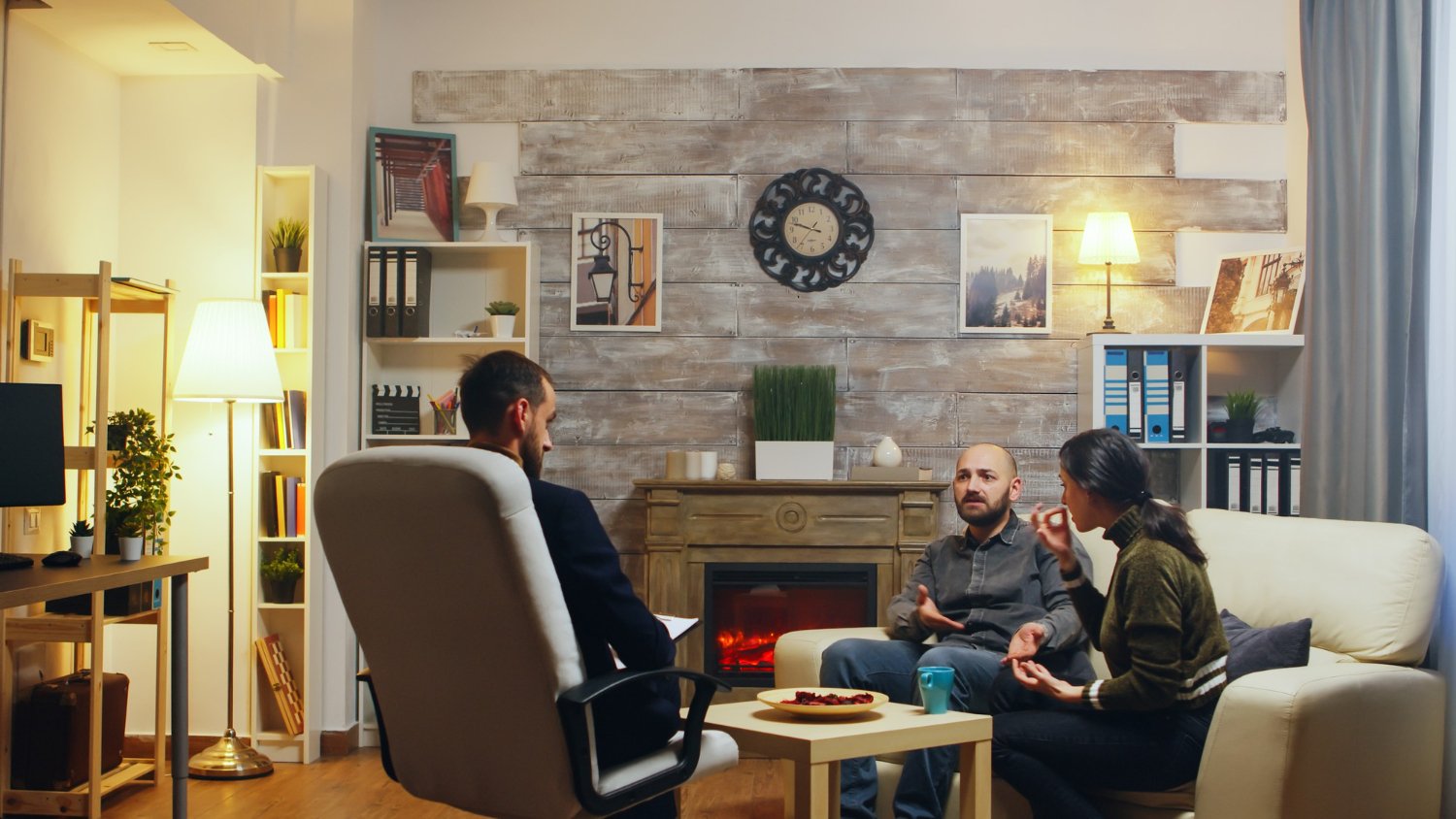
When I first started paying attention to how interior design enhances living spaces, I realized that even small changes inside a home can completely transform how it feels. Many people struggle with homes that feel cluttered, uncomfortable, or visually dull, even when the space itself is large enough. From my personal experience, the solution often comes from thoughtful interior design choices that improve both the functionality and atmosphere of a room.
Interior design is not just about placing furniture or adding decorations. It is about creating an environment where comfort, style, and usability work together. Over time, I noticed that well-planned interiors make everyday life smoother, more relaxing, and even more productive.
The Role of Interior Design in Everyday Comfort
One thing I noticed after improving my own home layout was the immediate change in daily comfort and movement inside the space. Before adjusting the layout, furniture placement made the room feel tight and awkward.
After reorganizing with smarter furniture positioning and balanced spacing, the room suddenly felt more open and inviting. This simple adjustment showed me that interior design enhances living spaces by improving how people move, sit, and interact within a home.
Comfort also comes from soft textures, lighting choices, and calming color palettes. These details may seem small, but together they create a welcoming environment that feels relaxing after a long day.
How Smart Layout Planning Improves Functionality
Another thing I personally noticed is how much room layout affects everyday functionality. A living room or kitchen may look beautiful, but if the design is not practical, it quickly becomes frustrating.
A well-planned layout focuses on efficient use of space while maintaining visual balance. For example:
- Furniture arranged around natural movement paths
- Storage solutions that reduce clutter
- Open areas that allow flexibility in daily activities
When these elements work together, interior design enhances living spaces by turning ordinary rooms into highly functional environments.
I remember adjusting a small workspace at home, and simply adding better shelving and repositioning my desk made the room feel twice as efficient.
The Impact of Color and Lighting
One of the most powerful elements I have seen in home design is the combination of color schemes and lighting. When I experimented with different tones and lighting setups, the change in mood was immediate.
For instance:
- Warm lighting creates a cozy and relaxed atmosphere
- Natural light makes rooms feel larger and fresher
- Soft neutral colors help spaces feel calm and balanced
These small adjustments proved that interior design enhances living spaces not only visually but emotionally as well.
Lighting especially plays a major role. Replacing harsh lights with layered lighting such as lamps, accent lights, and natural daylight can dramatically improve the overall feel of a room.
Creating a Personal and Meaningful Environment
Another benefit I noticed is how interior design allows homeowners to express personality through their surroundings. A well-designed home often reflects the lifestyle, interests, and comfort preferences of the people living in it.
For example, adding art pieces, personal photographs, decorative textures, or unique furniture makes a home feel more authentic. These personal touches turn a house into a space that truly feels like home.
In my own experience, once I began choosing design elements that reflected my daily habits and personal taste, the rooms started to feel more connected to my lifestyle rather than just decorative spaces.
Improving Small Spaces with Thoughtful Design
Many people assume that interior design only matters for large homes, but I noticed the opposite. In smaller homes or apartments, smart design decisions become even more important.
Using multi-functional furniture, vertical storage, and light color palettes can make smaller rooms feel more spacious and organized.
For example:
- Wall shelves instead of bulky cabinets
- Foldable furniture for flexible use
- Mirrors that reflect light and create depth
These solutions demonstrate how interior design enhances living spaces by maximizing available space without sacrificing comfort.
Long-Term Value of Good Interior Design
Another thing I realized over time is that well-planned interiors often increase the long-term value of a home. A space that looks organized, comfortable, and modern naturally becomes more attractive to visitors and potential buyers.
Even small upgrades such as updated lighting fixtures, improved furniture layout, or modern color schemes can create a more appealing and functional home environment.
In many cases, thoughtful design helps homeowners enjoy their space more while also improving the property’s overall appeal.
Final Thoughts
From my personal experience, it became clear that interior design enhances living spaces by combining comfort, functionality, and visual balance. A well-designed home does not require expensive renovations; sometimes simple adjustments in layout, lighting, color, and décor can make a huge difference.
Once I started paying attention to these design details, everyday living felt more organized, comfortable, and visually pleasing. Good interior design quietly improves daily routines and creates spaces that feel welcoming and practical at the same time.
AI Disclaimer: This article was assisted by artificial intelligence for writing support and structure, while the ideas and final editing were reviewed and refined for clarity and readability. The content aims to provide informational insights and personal-style perspectives on interior design and home improvement.