
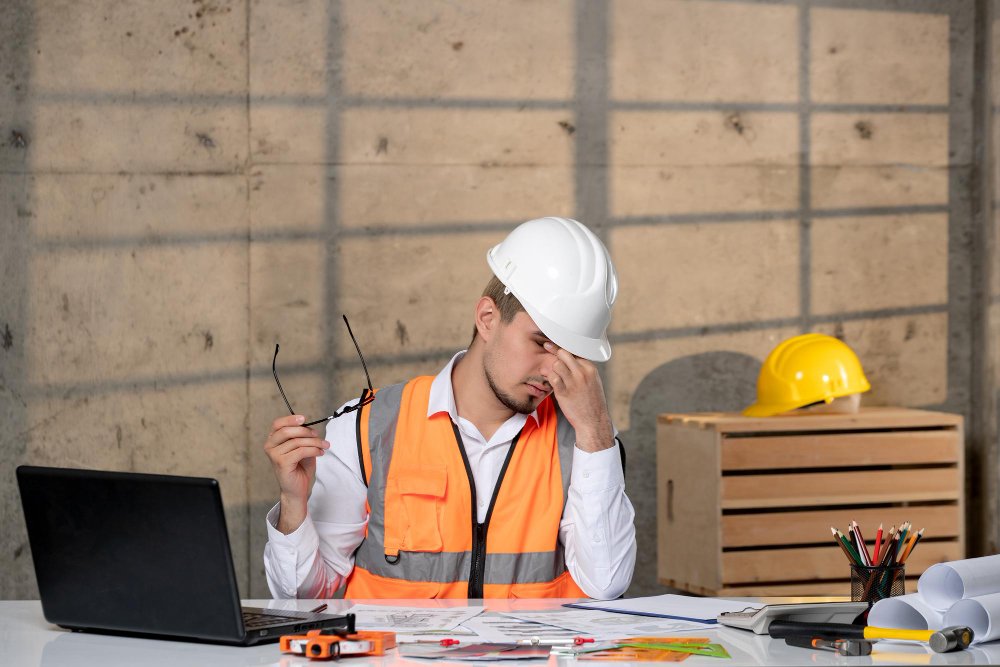
When I first started working on construction projects, I honestly thought delays mostly came from bad weather or lazy workers. But over time, I realized something surprising — most delays actually come from poor planning before the project even begins. If you fix the planning phase, you solve half the problems already.
Let me walk you through the biggest mistakes I’ve personally seen (and made) that end up delaying construction projects — sometimes by weeks or even months.
Poor Initial Project Scope Definition
One of the most common issues I’ve faced is starting a project without a clear and detailed scope. At first, everything sounds simple — “build this,” “renovate that.” But without defining exact requirements, materials, and expectations, confusion starts creeping in.
I’ve seen projects where clients kept changing things halfway through because the original plan was vague. That leads to rework, extra costs, and serious delays.
A solid scope should clearly define:
- Project goals
- Materials to be used
- Design expectations
- Timeline expectations
Without this, you’re basically building blind.
Unrealistic Project Timelines
Early in my experience, I used to underestimate how long tasks would take. I thought being optimistic would keep clients happy. Instead, it caused stress and delays.
Setting an unrealistic timeline is one of the fastest ways to derail a project. Every phase — from permits to labor to inspections — takes time.
If you don’t account for:
- Weather conditions
- Material delivery delays
- Labor availability
then your schedule will collapse quickly.
Now I always add buffer time, and honestly, it has saved me countless headaches.
Lack of Proper Budget Planning
Another major mistake is starting without a well-structured budget plan. I’ve seen projects pause midway simply because funds ran out unexpectedly.
Costs in construction are rarely fixed. Prices fluctuate, and unexpected issues always pop up.
A strong budget should include:
- Material costs
- Labor costs
- Contingency funds
That extra financial cushion is what keeps a project moving when things don’t go as planned.
Poor Communication Between Teams
This one hits hard because I’ve personally dealt with it many times. When contractors, designers, and clients are not aligned, confusion spreads fast.
I remember one project where the electrician installed wiring based on an outdated plan. The result? Everything had to be redone.
That’s why clear and consistent communication is critical. Everyone involved should always be updated with:
- Latest plans
- Changes
- Deadlines
Miscommunication doesn’t just slow things down — it creates chaos.
Ignoring Risk Management
Early on, I didn’t think much about risks. I focused only on getting the job done. But construction is full of uncertainties.
Things like:
- Unexpected site conditions
- Permit issues
- Supplier delays
can all stop progress instantly.
Now, I always plan for potential risks in advance. Having backup plans ensures the project doesn’t completely stall when something goes wrong.
Hiring the Wrong Team
I’ve learned this lesson the hard way. Choosing a team based only on low cost often leads to poor quality work and delays.
An inexperienced or unskilled team can:
- Make mistakes
- Work slower
- Require rework
Instead, investing in a reliable and experienced team actually saves time and money in the long run.
Inadequate Resource Planning
Sometimes, even with a good team, projects slow down because of missing tools, materials, or manpower.
I’ve seen days where work stopped completely just because materials didn’t arrive on time.
Proper planning means ensuring:
- Materials are ordered early
- Equipment is available
- Labor is scheduled correctly
Without this, progress becomes inconsistent.
Skipping Detailed Scheduling
At one point, I thought a simple timeline was enough. But construction projects need detailed scheduling for each phase.
Without a clear schedule:
- Tasks overlap incorrectly
- Teams interfere with each other
- Deadlines get missed
Now, I always break projects into smaller tasks with specific deadlines, and it makes everything run smoother.
Not Getting Permits on Time
This is a mistake that can completely stop a project before it even starts.
I’ve seen projects delayed for weeks just because permits weren’t approved on time.
Every area has different regulations, and skipping this step or delaying it leads to:
- Legal issues
- Work stoppages
- Fines
It’s always better to handle permits early in the planning stage.
Ignoring Site Conditions
One mistake I made early in my career was assuming every site is the same. It’s not.
Each location has its own:
- Soil conditions
- Accessibility issues
- Environmental challenges
If you don’t evaluate the site properly, you’ll face unexpected problems later, which leads to delays.
Final Thoughts from My Experience
After working on multiple projects, I can confidently say that construction planning mistakes are the real reason behind most project delays. It’s not always about execution — it’s about how well things are prepared before work even begins.
When you focus on clear planning, realistic timelines, proper communication, and risk management, everything starts falling into place. Projects become smoother, faster, and far less stressful.
AI Disclaimer: This content was created with the assistance of AI and refined with human input to provide practical insights, real-world perspective, and easy-to-understand guidance. While every effort has been made to ensure accuracy, readers should always verify details based on their specific project requirements.