
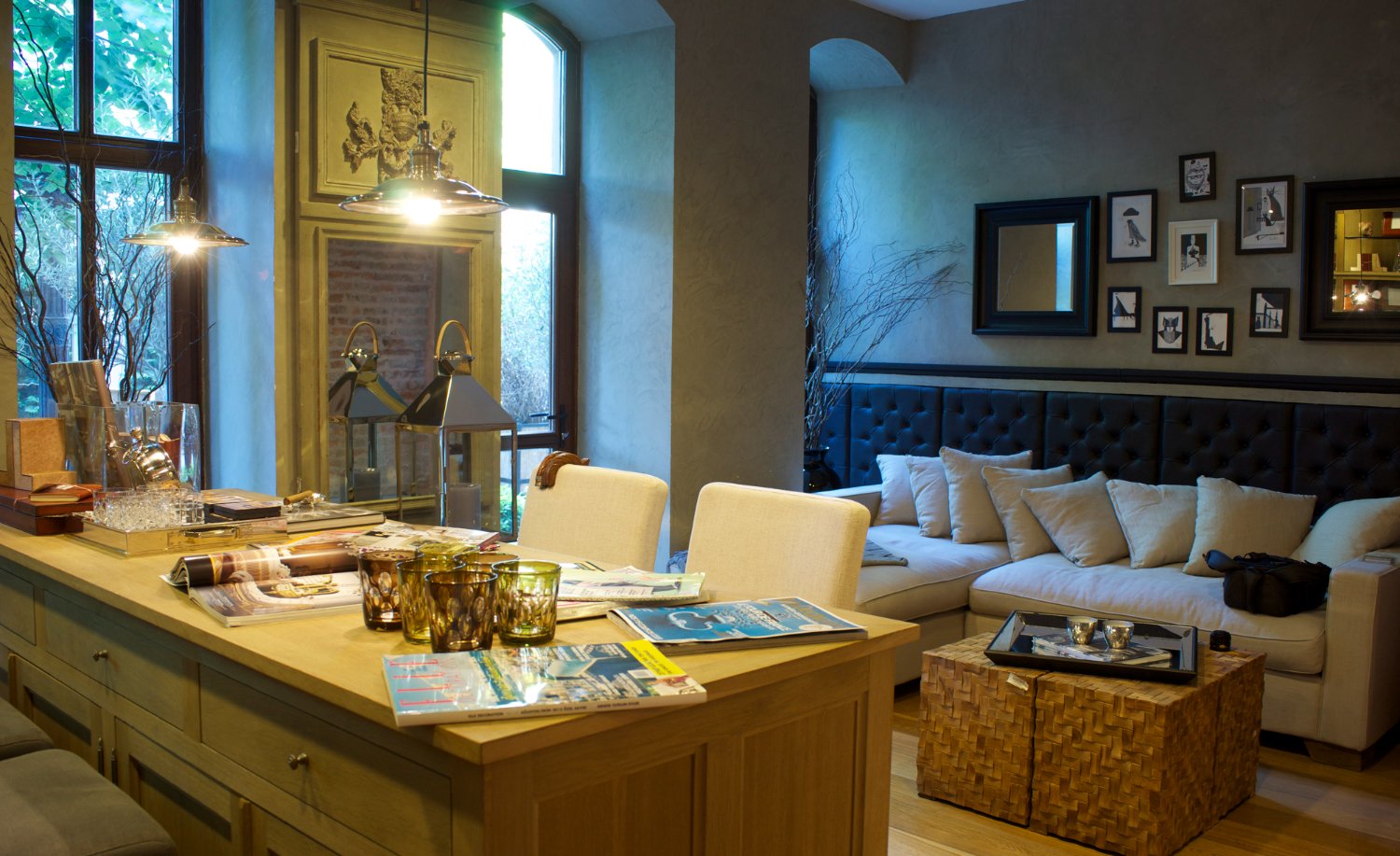
When I first stepped into my own newly designed home, I was struck by how architectural design directly influenced my daily routines. Every corner, hallway, and room felt intentional, not just visually pleasing but genuinely functional. It made me realize that good design isn’t only about aesthetics; it’s about creating a space that adapts to real life.
For me, the biggest game-changer was the flow of spaces. I noticed how well-thought-out layouts made mornings less hectic and evenings more relaxing. The kitchen, living area, and dining spaces were positioned so that movement felt natural. I didn’t have to plan my steps or think about logistics—everything just worked. That’s when I truly appreciated the power of architectural planning in functional living.
Another area where design impacted my daily life was lighting and spatial orientation. Natural light streaming into rooms didn’t just look beautiful; it affected my mood and productivity. I started to notice that the placement of windows, the height of ceilings, and the choice of materials were all factors that made the home feel both open and cozy. Even subtle decisions, like the placement of electrical outlets and storage solutions, made day-to-day life more convenient.
One personal observation I have is the way multi-purpose spaces have transformed how I use my home. Rooms aren’t just single-use areas anymore—they serve as workspaces, relaxation zones, and social hubs. I can’t emphasize enough how much flexibility in design enhances functionality. It’s a lesson I wish I had known when designing my first home, as I initially underestimated how a single poorly planned room could disrupt flow.
I also want to highlight how material choices and finishes play a role. I chose finishes that are durable but still appealing, and it’s made a huge difference in upkeep and comfort. The blend of aesthetics and practicality in materials has been key to making spaces both beautiful and livable.
Finally, I’ve come to value how architectural design supports lifestyle. It’s not just about having rooms—it’s about creating an environment where every activity has its place, from cooking to relaxing to entertaining. Good design subtly guides behavior and simplifies tasks, which I can personally vouch for.
Disclaimer: The content above reflects my personal experiences and opinions about architectural design and functional living spaces. It is intended for informational and personal review purposes only and should not be considered professional architectural advice. Individual results may vary depending on specific home layouts, personal preferences, and design constraints.